9 Best LED Lights for Your Cannabis Grow – 2020

In this article, we talk about the 9 best LEDs for your marijuana grow!
led

Disclaimer: Please check the legal status of growing cannabis in your jurisdiction before you begin your grow. Growers Network isn’t responsible if you decide to break the law!


Hello readers! With all the available grow equipment available, selecting the right products for your grow can be a daunting task. In the GN spirit of providing education and guidance, here are the nine best LED grow lights for you to consider.


Quick Look at the 9 best LEDs for your cannabis grow

1. Grower’s Favorite: Growflux Fluxscale Top Light 600TL LED Grow Light
High quality, fully programmable light. This one was mentioned by a number of cannabis growers as their favorite LED.

2. Best Light for a Budget: Horticulture Lighting Group 100w Single Quantum Board
Great, high-quality light for a small grow. Perfect LED if you’re just starting out growing cannabis or don’t have a lot to spend.

3. Best of the Best: Fluence Spyderx Plus 660
This attractive LED fixture is another customer favorite. Many reports of higher marijuana yields, lower running temperature, and long life.

Note: My top picks for Best LED for your Cannabis grow are based on discussions with professional growers, overall customer satisfaction, and number of positive reviews.


LEDs: What are they?

Light emitting diodes (LEDs) are a type of lighting used in plant cultivation. LED grow lights utilize hundreds these surface semiconductors to produce varied wavelengths of light which work together to create the ideal color spectrum for maximum photosynthesis and growth. Recent technological innovations have made them

LEDs: The Benefits

There are several advantages to LEDs that should make you consider them over CMH and HPS lamps. In addition to being lightweight, LEDs operate much cooler than other types of lighting, and this can be particularly important when climate is a factor. LEDs also use significantly less energy than other types of lighting which is great for the environment and your power bill.


The nine Best LEDs for your Cannabis Grow


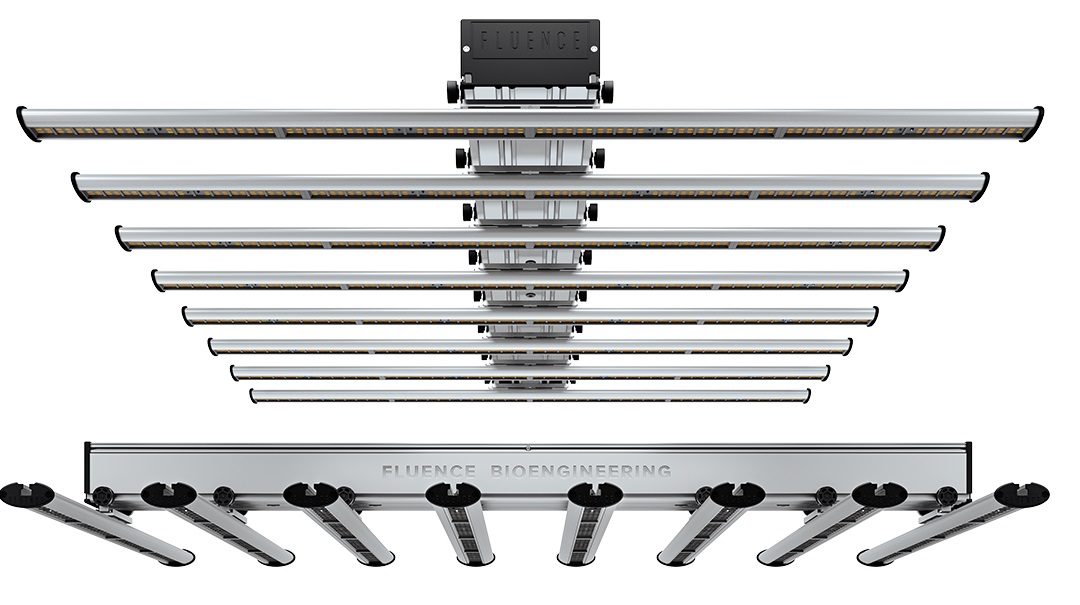
1. Fluence Spydrx Plus 660
led

Our best of the best pick, the Fluence Spyder 660 is definitely one of the most robust full-spectrum LED lights on the market. Providing an even light spread and delivering a PPFD of over 900, this light is ideal for nearly any grow operation. With its sleek, low profile design, this light is as much of a showpiece as it is a high-quality LED. Also, each Fluence LED is made to order! Think Fluence LEDs for your commercial cultivation or hobby grow needs!

“Since switching over to the SPYDRx Plus, I have been very impressed. The light distribution is fantastic. The plants love it, producing higher quality flowers. I am a veganic grower, and using this highly efficient lighting system is an energy saving plus…excellent product.” – Customer Review

“These are the real deal. Halfway though one run I could tell they were going to replace my 600w HPS setup. There is less stretch, the flowers are closer together, and the buds are more dense. I’m blown away by these. I’m cheap and still would have paid double. There’s nothing else like it on the market. Instead of hot and cool spots from reflectors and a single light source, I have perfectly even light intensity from multiple sources. Im buying their RAZRX and Ray series lights for my other lighting needs. I’ll never buy another set of bulbs again. I will definitely buy whatever Fluence sells in the next decade to replace my aging SPYDRX Plus.” – Customer Review



Do you want to receive the next Grower’s Spotlight as soon as it’s available? Sign up below!


Do you have any questions or comments?

Do you have any questions or comments?

Feel free to post below!


About the Author

About the Author

Chris DeWildt is a graduate of Grand Valley State University and Western Kentucky University. He worked in education and publishing for ten years before joining the team at Growers Network.


From Combat Vet to Extract Labs CEO: An Interview with Craig Henderson

We spoke with Craig Henderson about his transition from combat vet to CEO of Extract Labs .

The following is an interview with an industry expert. Growers Network does not endorse nor evaluate the claims of our interviewees, nor do they influence our editorial process. We thank our interviewees for their time and effort so we can continue our exclusive Growers Spotlight service.

To skip to any section within this article, click the links below:

  • Short on time? Check out our shortened article!
  • About Craig Henderson
  • About Extract Labs
  • The Future of CBD
  • Resources

    Abbreviated Article


    Editor’s Note: Growers Network appreciates its readers! If you are limited on time, we are now offering abbreviated versions of our articles. Click below to view.

    5-Minute Snapshot

    About Craig Henderson

    Can you tell us about how you went from combat vet to CEO of a CBD company? It’s kind of a long-winded answer. I grew up thinking that marijuana was bad and either you used it and you were a loser, or you didn’t use and you weren’t a loser. But then I had good friends in the military who got kicked out for smoking weed and these were some of the smartest, strongest, and hardest working people I’d ever worked with and that was the first inkling in my mind, “Wow, maybe pot’s not so bad.” I started to realize that there are a lot of benefits for people. Then I saw what was happening out West in California, and that Obama signed the 2009 memo saying that the federal government would leave states alone to pursue their own cannabis laws; I realized that people were seeing what I was seeing and that this could change the world. I finished up my bachelor’s degree in engineering, was doing some internships and realized I just hated corporate america. I really wanted to go back to the military at that point, but then I thought “Why don’t I move out west and pursue this whole cannabis thing?” so I reached out to them, Apeks Supercritical out of Ohio, they called me back and I said to said why don’t I move out to Colorado and start a location, and the whole time I was doing this I saw there was a need for CBD and saw an opportunity for me to get into the market. What part of the business are you most passionate about? Changes. We’re evolving so rapidly. When I hired my first one or two employees, I thought I’d made it, that two employees was all we’d ever need, but now we’re pushing forty employees. I really love the challenge, and I see every part of the business as very important. In your opinion, what’s the biggest issue veterans face when returning home? Not having a plan. You have an twenty-two year old kid who’s gets out of the military and they really don’t have a plan, and that can destroy the human. They spent the last 4 years being this thing everyone talked about and now you’re just a regular person in society trying to fit in. But how do you tell someone that and get them to believe it? I don’t know. Do you do any kind of outreach with veterans? Can you tell us about it? We’re get contacted by different people who want us to send their soldier a package, or are just looking for a natural alternative to the medications they get from the VA. So we ship product to soldiers who are deployed, we’ve shipped some to the veterans who just want to try it, and it’s all free of charge. We send huge care packages overseas with shirts and products.


    About Extract Labs

    Tell us about an average day for you, if there is such a thing. Today it’s a little bit more normalized. I used to be the guy wearing seven different hats, and luckily, now I only wear three different hats. Now I’m having to learn how to get information from each team to help them make decisions, just learning how to be a better manager, how to be a CEO for a company. What kind of growth has Extract Labs seen as demand for CBD has increased? It’s insane. We turn away more business than we sell to, so we spend half of our day turning people away politely and hope we don’t piss them off so maybe when we do reach a capacity to be able sell to them they’ll call us back. It sucks being a business owner; it’s awesome hitting a record month every month, but it sucks thinking how much bigger you could be. How would you define your primary market and how do you reach them? The original business model was to make CBD oil and wholesale it to marijuana companies. I thought marijuana was the big play in the industry and I thought I could make CBD and sell it to these marijuana guys to beef up their CDB levels. That was our initial focus and it really helped build our business, but now we’re trying to transition out of that since we realized that CBD has its own place in society as a supplement and healthy lifestyle product. So now we’re trying to target athletes.


    The Future

    Are there any new products on the way you’re particularly excited about? In the near future we’re expanding our product line, offering better flavors and new terpene profiles. As farmers get better at growing, we’re able to extract better terpenes from the plants, and we can offer that as a product. The big future play is: How good can we get at separating other cannabinoids? For example, CBG is believed to be good for cell repair and who knows? You may have a stroke victim who can’t use half of their body anymore, and CBG might really be able to help them. What kind of changes do you foresee in the industry since the 2018 farm bill legalized hemp farming in the US? I could go two ways: if hemp is legalized everywhere people may start to focus less on quality. On the other hand, the bill could make banking easier, and maybe we could be a big player. Maybe there are enough people like us who care about quality and hopefully it will always be a high end niche product. What’s the future for the CBD industry? I’m hoping that CBD will be like big Pharma, but a better version. Not just for CBD, but all cannabis and cannabinoids in general, but not how it’s being done today; we just need better principles.

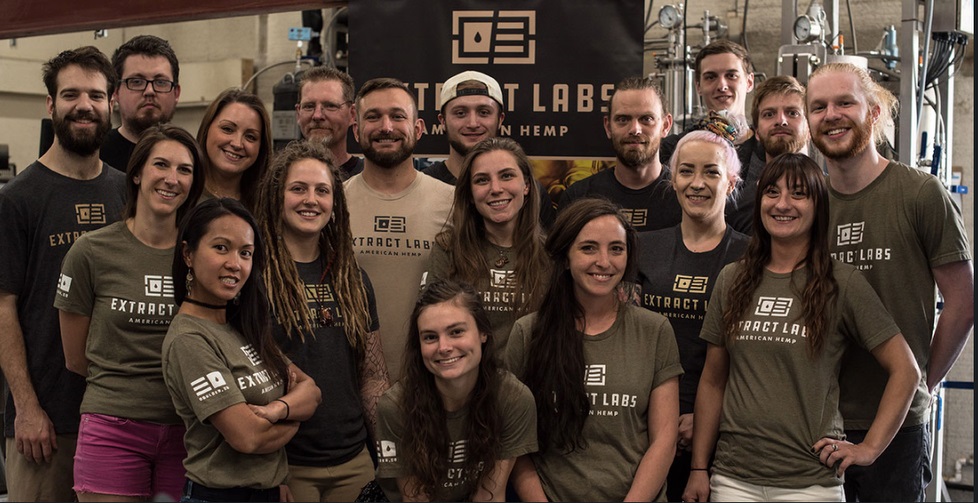
    The Extract Labs Team

    If you like the abbreviated article, let us know in the survey at the bottom of the article! We’re always interested in hearing your feedback. If you want to read more, you can read the full article below.


    About Craig Henderson


    Can you tell us a little about your background, specifically how you went from combat vet to CBD entrepreneur?

    It’s kind of a long winded answer. I grew up thinking that marijuana was bad and either you used it and you were a loser or you didn’t use and you weren’t a loser. I didn’t smoke pot in high school, but for some reason I thought drinking was okay; it was okay to drink a lot, just don’t smoke any weed, and when I joined the military, they shared the same viewpoint. Everyone drank, but god forbid you get caught smoking marijuana because they’d take their life from you. I had good friends in the military who got kicked out for smoking weed and these were some of the smartest, strongest, and hardest working people I’d ever worked with and that was the first inkling in my mind, “Wow, maybe pot’s not so bad.” So I came home, got out of the military and decided I’d go to college for engineering and while doing so, one of those friends that had been kicked out of the military, his life wasn’t doing so well and he was smoking even more marijuana. So I thought I was going to do some research, watch a documentary, do some research on the internet come up with some good arguments for him to quit smoking pot and ruining his life, because in my eyes he was just throwing his life away. But the more I researched, I started to realize that I was the one who was wrong and that pot had nothing to do with my friend being at such a low point. I also learned that there are a lot of benefits for people. Long story short, it was a long evolution. Then I saw what was happening out West in California, and that Obama signed the 2009 memo saying that the federal government would leave states alone to pursue their own cannabis laws; I realized that people were seeing what I was seeing and that this could change the world. I finished up my bachelor’s degree in engineering, was doing some internships and realized I just hated corporate america. I really wanted to go back to the military at that point, but then I thought “Why don’t I move out west and pursue this whole cannabis thing?” Well, I tried. I tried to figure out how to get started out West, I called over 100 companies in California and Colorado. Then one day on TV I saw a guy with this extraction equipment. I was familiar with the growing process, and I realized that a lot of trim being thrown into the trash could be used for vape pens, so I saw an opportunity there. I didn’t see myself as an entrepreneur initially, I just wanted to be part of something big. So I reached out to them, Apeks Supercritical out of Ohio, they called me back and I said to said why don’t I move out to Colorado and start a location, and that was kind of my foot in the door. So I moved up to Colorado – we were a really small company at the time – and I trained a lot of those early Colorado companies that were also trying to turn trash into gold. Now these are big successful companies. I spent 3 years traveling the country teaching people how to turn marijuana into vape pen oil or edible oil, and the whole time I was doing this I saw there was a need for CBD. So after 3 years of teaching, I started talking to hemp farmers and saw an opportunity for me to get into the market.

    What part of the business are you most passionate about?

    Changes. We’re evolving so rapidly. When I hired my first one or two employees, I thought I’d made it, that two employees was all we’d ever need, but now we’re pushing forty employees. In the beginning I was doing a lot of the chemistry and extraction myself. That’s what I was passionate about at the time. Then as the business grew I had to evolve into other positions. I really am passionate about every single job in the building, and I’ve done them all myself at one point or another. I don’t ever remember not liking any single job. Maybe if I was stuck in the same position for six months I’d get bored with it, but my job changes every three to four months, so there’s always a new challenge. I might complain a lot, but I’m always taking on new challenges, things I don’t know how to do: marketing, sales. I really love the challenge, and I see every part of the business as very important.

    In your opinion, what is the biggest issue veterans face when returning home?

    Not having a plan. You have an 18 year old kid who’s never been propped up on a pedestal for anything. They join the military, go to war and now you’ve got this eighteen-year-old kid who may not have really accomplished a lot, but he’s got his parents bragging about him, his friends are bragging about him. Everyone’s like “look at him go!” and then he gets out of the military, he goes and gets a typical job and no one’s bragging anymore, no one is proud of what they’re doing anymore. They get out and they really don’t have a plan and that can destroy the human. They spent the last 4 years being this thing everyone talked about and now you’re just a regular person in society trying to fit in. So if more people got out with a plan, some people, myself included, at twenty-two get out and think they did all they had to do in life because they went to war. But really that’s just a stepping stone. People realize that they didn’t accomplish everything in life and they have to figure out what they’re going to do next. Just because you spent 4 years in the military it’s not over; it’s just a stepping stone. But how do you tell someone that and get them to believe it? I don’t know.

    Do you do any kind of outreach with veterans? Can you tell us about it?

    We’re starting to. We just hit our two-year mark, and now we’re getting all kinds of photos and emails from people who are deployed or just getting back, and they have a variety of issues going and they’re are seeking CBD to aid in their recovery. So what we’re doing now as we’re getting contacted by different people who want us to send their soldier a package, or are just looking for a natural alternative to the medications they get from the VA. So we ship product to soldiers who are deployed, we’ve shipped some to the veterans who just want to try it, and it’s all free of charge. We send huge care packages overseas with shirts and products. I wonder if the military is even okay with soldiers using our products, but it’s cool to see soldiers wearing our shirts and using our CBD products, and hopefully no one is getting in trouble for it. I hope that if enough people in the government and the military start using our products and see that they work, then the laws will change.

    About Extract Labs


    Tell us about an average day for you if there is such a thing.

    Today it’s a little bit more normalized. I used to be the guy wearing seven different hats, and luckily, now I only wear three different hats. My job today is reporting to each of those other hat wearers: social media, extraction team, sales team; you always want that, you always want these teams to be able to work on different on different things, but you can’t always afford that sometimes, so you have to do it all yourself. But today we’re at that point where I think I’m not doing as much. Now I’m having to learn how to get information from each team to help them make decisions, just learning how to be a better manager, how to be a CEO for a company. So my average day right now is just learning how to manage five or six teams.

    What kind of growth have you seen as demand for CBD has increased?

    It’s insane. We had a record month last month, I think we did $680,000 and if we had the CBD to sell we could have done $3 million. We turn away more business than we sell to, so we spend half of our day turning people away politely and hope we don’t piss them off so maybe when we do reach a capacity to be able sell to them they’ll call us back. It sucks being a business owner; it’s awesome hitting a record month every month, but it sucks thinking how much bigger you could be. It’s a constant challenge: how do we get bigger faster without messing up what we’re currently doing? You try to grow too fast and the stuff you learned a month ago, you start slipping and mistakes aren’t good for anyone. But I still feel like we’re still in our infancy and won’t see what our true demand is for two or three years.

    The Extract Labs Team

    How would you define your primary market and how do you reach them?

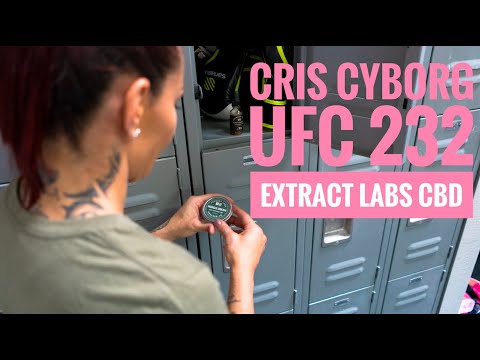
    Early on, the original business model was to make CBD oil and wholesale it to marijuana companies. I thought marijuana was the big play in the industry and I thought I could make CBD and sell it to these marijuana guys to beef up their CDB levels. I never imagined the world would want a pure CBD or a THC free product. So in the beginning we targeted a lot of marijuana companies and social media influencers, you know, people who just do dabs all day and have a million followers? That was our initial focus and it really helped build our business, but now we’re trying to transition out of that since we realized that CBD has its own place in society as a supplement and healthy lifestyle produc. So now we’re trying to target athletes. We’ve sponsored an Olympic snowboarder, we’ve got Cris Cyborg the UFC fighter. We just got off the phone with Andy McDonald the pro skater the other day. So now we’re really trying to shift our energy toward the healthy-lifestyle market.


    The Future of CBD


    Are there any new products on the way that you’re particularly excited about?

    In the near future we’re expanding our product line, offering better flavors and new terpene profiles. As farmers get better at growing, we’re able to extract better terpenes from the plants, and we can offer that as a product. That’s real easy stuff that we could turn into a product tomorrow. The big future play is how good can we get at separating other cannabinoids. I mean CBD is all the rage, but there’s about one hundred twenty cannabinoids. The marijuana industry is focused on THC, the CBD industry is obviously focused on CBD, but there are another one hundred eighteen cannabinoids out there, and that’s what we see as the big play for us, essentially turning us into a large pharmaceutical company someday. If we can get effective levels of these other cannabinoids and figure out what they’re good for, we can make products with them. So I guess the short answer is we want to sell products with these other cannabinoids. For example, CBG is believed to be good for cell repair and who knows? You may have a stroke victim who can’t use half of their body anymore, and CBG might really be able to help them.

    What kind of changes do you foresee in the industry with hemp farms becoming legal as a result of the 2018 farm bill?

    I could go two ways, I could stress myself out thinking it’s just going to be like corn in five years, just a corn syrup factory. I don’t want to think that way, but that is a potential. I don’t want to be like a sugar manufacturer, just selling sugar to Pepsi. If hemp is legalized everywhere people may start to focus less on quality. On the other hand, the bill could make banking easier, and maybe we could be a big player. Maybe there are enough people like us who care about quality and hopefully it will always be a high end niche product. But I hate thinking too far into the future because it scares the S*%$ out of me!

    What’s the future of the CBD industry?

    I’m hoping that CBD will be like big Pharma, but a better version. And not just for CBD, but all cannabis and cannabinoids in general, but not how it’s being done today; we just need better principles.

    That was some amazing stuff. Thank you for taking the time to talk to us Craig! What do you think readers? Let us know in the survey below or better yet, join our private forum and start a conversation!


    If you want to know more about CBD, check out TruPotency, the only online retailer that 3rd party tests every product they sell!


    Do you want to receive the next Grower’s Spotlight as soon as it’s available? Sign up below!


    Want to get in touch with Extract Labs?

    You can reach them via the following methods:

    1. Website: Extract Labs Website
    2. Phone: (303) 927-6130
    3. Email: grant@extractlabs.com

    Do you have any questions or comments?

    Do you have any questions or comments?

    Feel free to post below!


    About the Author

    About the Author

    Chris DeWildt is a graduate of Grand Valley State University and Western Kentucky University. He worked in education and publishing for ten years before joining the team at Growers Network.


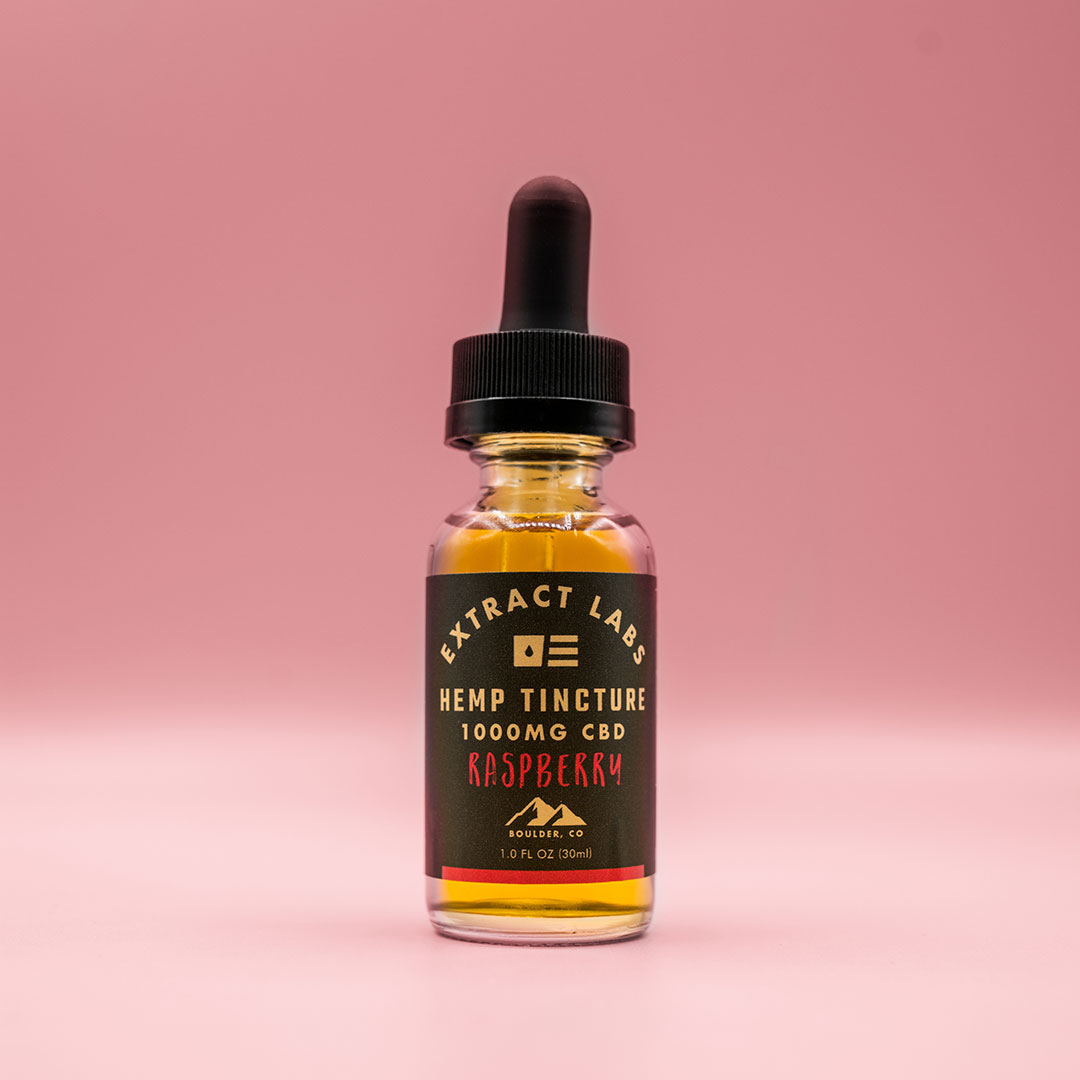
  • Product Review: Raspberry Flavored Hemp CBD Tincture from Extract Labs

    In this short review, we discuss our recent trial of Extract Labs Raspberry Hemp Tincture.

    Growers Network does not endorse this product nor were we offered any compensation for this product review. Opinions are those of the reviewer alone.


    I’ve tried a number of CBD products over the years and when I received a sample of Extract Labs Raspberry Hemp Tincture, I didn’t expect much. Boy was I wrong!

    The Details:
    • Product:Raspberry flavored Hemp Tincture
    • Manufacturer: Extract Labs of Boulder Colorado
    • CBD per serving: 33mg
    • Price: $60.00 for the 30 ML (1 oz) bottle. 15ML and 60ML also available and manufacturer offers a bulk discount.
    Photo Courtesy of Extract Labs

    Packaging

    My sample arrived in a 1 oz. glass bottle, capped with a medicine dropper. The labeling and logo were understated and very clean. Nice aesthetic.

    The Taste

    Previous CBD tinctures I’ve tried have tasted terrible and I didn’t expect anything different with this product. However, I was pleasantly surprised with the raspberry flavor provided by the natural raspberry extract. The product flavor has earthy undertones similar to those found in cannabis edibles and were very pleasant.

    The Effects

    I’m anxious by nature (especially when dealing with deadlines) so the anti-anxiety effects of CBD are what I’m most interested in. I can honestly say that after fifteen minutes of using this product, I felt calm, relaxed, and less anxious. The effects lasted several hours.

    The Gist

    I really enjoyed using this product and will continue to do so. The quality of packaging was visually pleasing and I enjoyed the flavor very much. I felt the promised effects of calm and relaxation with no negative side effects. I heartily recommend Extract Labs Hemp Tincture.


    Editor’s Note: Want to know even more about CBD? You can find articles on GrowersNetwork focused on…

    Sleep and Insomnia

    Sleep and Insomnia 2

    Quality CBD products

    Mind and Body

    CBD for Dogs

    and CBD for Cats

    You can also check out TruPotency, the only online retailer that 3rd party tests every product they sell!


    Do you want to receive the next Grower’s Spotlight as soon as it’s available? Sign up below!

    Do you have any questions or comments?

    Do you have any questions or comments?

    Feel free to post below!


    About the Author

    About the Author

    Chris DeWildt is a graduate of Grand Valley State University and Western Kentucky University. He worked in education and publishing for ten years before joining the team at Growers Network.


    5 Best Bubble Hash Extraction Machine Kits for 2020

    Do you want to be part of a private, professional community?
    Join Now

    A lot of people want to know how to make their own bubble hash. We feature the best 5 bubble hash extraction kits that will have you converting that trim in no time.

    Disclaimer: Be aware of the laws regarding hash and extractions in your jurisdiction before processing your trim. Growers Network wants you to obey the law and assumes no responsibility if you don't.


    What is bubble hash?

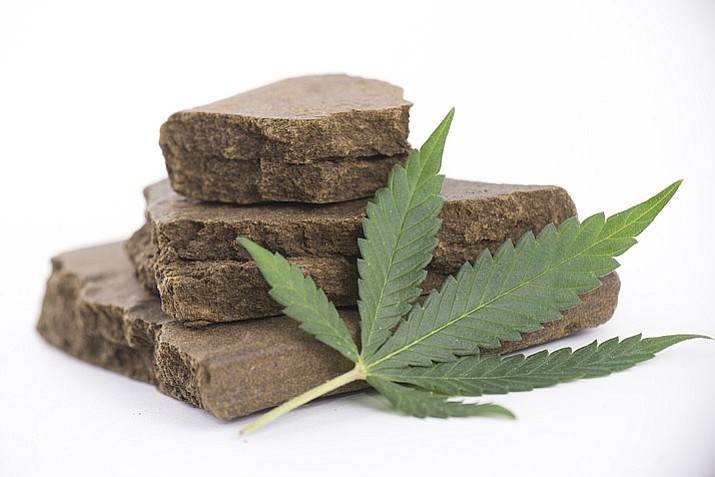
    I love hash, I do. I love the way it smells, I love the way it tastes, and I love the way it smokes. But what is hash? What's the difference between hash and marijuana? Hash comes from marijuana, and in its simplest form, hash is just pressed kief. There are several ways to extract kief from your trim, and one of the most popular methods is ice water extraction. In a nutshell, all you need to extract hash with ice water is a 5-gallon bucket and then perform a series of filtrations with finer and finer mesh bags while agitating your product.The result is a rich collection of trichomes/kief that can be dried and pressed into hash. A few of the products include an automatic agitator, but this piece of equipment isn't necessary. It will speed up the process for sure, but if you don't mind being the agitator, the equipment cost is minimal. Pro tip: Freeze your trim before extraction for optimal hash yield!

    Have additional questions about hash extraction? Check out our FAQs

    Want to know a bit more about the history of hash? Click here.


    Quick Look at the 6 best bubble hash extraction kits


    Best of the Best Bubble Hash Extractor Kit:
    Bubble Bag Dude 8-Bag Bubble Hash Extraction Machine

    High quality and easy to use. This kit gets high marks for durability and ease of use.

    Best Budget Extractor Kit: ZenHydro's iPower 5-Gallon 8-Bag Bubble Hash Extractior Kit

    Great hash extraction kit for the budget-minded. Comes with carrying case and pressing screen!


    Note: My recommendations for the 6 best bubble hash ice water extraction kits are based on first-hand research with extractors, overall customer satisfaction, and positive product reviews.


    1. Bubble Bag Dude - 8-Bag Herbal Extraction Machine

    A complete system promises the biggest yield of any bubble bags on the market. Bubble Bag Dude import their high-quality mesh from Germany and all bags are manufactured in the USA. I've talked to extractors who are big fans of this brand and they tell me it's a great system for hash extraction. Additionally, the colored bags make the process easy. See what customers are saying.

    “Simple and very reliable. Anyone can make hash with this kit!”
    “Dope machine. Turned my crap trim into awesome hash.”
    “Great price and definitely recommend for anyone wanting to make hash.”

    Buy Now!
    2. Bubble Bag Dude - 5-Bag Hash Extraction Machine


    Another highly rated product from Bubble Bag Dude. This one is a little cheaper than the 8-bag system, because surprise, it comes with fewer bags. That fact shouldn't dissuade you though. I know extractors who use only two bags when they're making bubble hash, so five is plenty for your hash extraction.

    “Works well and let me do three batches in the time it usually takes for one. Get it!”
    “I love this machine. easy to use and makes the procdess sooo much easier.”
    “Extracted my first batch a couple days ago. I'm a caregiver and my patients loved what I made.”

    Buy Now!
    3. Casolly 5-Gallon 8-Bag Herbal Ice Bubble Hash Bag Extractor Kit


    A low-budget option for your bubble hash extraction needs. While this kit doesn’t include a agitation machine, you can still make your own quality hash with this kit. It even includes a pollen press for pressing that dry product into bricks when you're done. This is another highly-rated products with great reviews.


    “Pollen press is a great add on. Works great. A+”

    “Does what it's advertised to do. Love this set of bags! Super easy to use too.”

    “High quality product. Well made and made to last.”

    “This is great for dry ice extraction. Very durable. Good for dry ice extraction. Pollen press is nice too.”

    Buy Now!
    4. ZenHydro's iPower 5-Gallon 8-Bag Bubble Hash Extraction Kit


    Another budget option, this hash extraction kit from iPower is highly rated by hundreds of reviewers. This kit includes 8 bags, a carrying bag, and a pressing screen. This is one of the best hash extraction kits for beginners. It's easy to use and gives great yields.

    "I've already used these bags several times and they are holding up. Quality is on point. Price is right too!
    "I have done seven extractions and no problems. Easy instructions and really high quality."
    "Heavy duty bags that worked perfectly."

    Buy Now!
    5. Bubble Magic 20-Gallon Washing Machine and Extraction Bags


    Don't balk at the price tag; this is a heavy duty 20-gallon extraction kit. While not for everyone, this hash extraction kit is for people with more trim than your average home extractor. This one scores high for separation and ease of use. If you're doing a lot of hash extractions, this is the product you want.

    “Makes the process so much easier (and less messy). I recommend this product!”
    “Cleanest head separation on the market for ice water extraction. I highly recommend this to the hash maker."
    “Love this machine. Really takes the effort out of mixing. “

    Buy Now!

    You ready to make some bubble hash? Send us a message and let us know how it turns out! Need additional help? Check out our forum of cannabis experts! Happy Extracting!


    Bubble Hash FAQs

    Can I use dry ice for hash extraction?
    Yes! Be sure to wear gloves.

    How do I make bubble hash?
    Bubble hash is made by pressing kief. To get the kief you need to extract it. Ice water extraction is a popular, low-cost method and in its simplest form is done by filtering the trichomes and kief from your trim in mesh bags and agitating in ice water.

    How do you smoke bubble hash?
    Bubble hash can be smoked by itself or packed in a bowl alongside flower for an extra something special.

    What is bubble hash?
    Bubble hash is a cannabis extract made by mechanically extracting the trichomes/kief from trim.


    A little hash history never hurts:

    I firmly believe that if you want to do something, you should learn a bit about it beyond the "how-to" aspect. If you want to make your own hash, it may help you to have a a grasp on the historical context. Will it make you a better bubble hash extractor? Well, I'll tell you this: it won't make you any worse! Back when hash began to enter the Western consciousness, there were no extraction bags or hash extraction machines to help. It was truly a labor of love to manufacture this cannabis extract.

    Hashish arrived in Europe by way of the Asian continent in the 1700s. Though primarily a recreational substance, hashish was touted by a number of medical professionals as not only an anesthetic, but a homeopathic cure as well. In a 1839 study, hemp was recommended for allieviation of symptoms such as rabies, cholera, and tetanus. Around the same time, Psychiatrist Jacques-Joseph Moreau recommended hash as the primary medication for treatment of psychiatric symptoms. By the 1900s hash compounds were used in nearly every country in Europe as well as the USA for treatment of pain, migraine, dysmenorrhea, pertussis asthma, insomnia, stomach ache, depression, diarrhea, diminished appetite, pruritus, hemorrhage, Basedow syndrome, and malaria.

    But hash wasn't just about medicine. Recreationally, hashish became popular among the artist crowds in Europe, with "hash houses" popping up in major cities. These hash houses were communal places specifically created for hash smokers to come together to smoke and socialize. Famous hash proponents include Théophile Gautier, Dr. Moreau de Tours, Victor Hugo, Alexandre Dumas, Charles Baudelaire and Honoré de Balzac. Baudelaire later wrote about being under the influence of hash in his book, Les paradis artificiels. About this time, American author Fitz Hugh Ludlow wrote the 1857 book The Hasheesh Eater about his experiences with the drug as a youth. You have a book in you dying to get out? Maybe hash can provide that inspiration you need.

    Things changed for hash stateside with the Marihuana (sic) Tax act of 1937. The law placed a high tax on Cannabis, essentially making it inaccessible (an illegal) for the vast majority of people. Alongside the devil's lettuce, its extracts were banned as well, including hash.

    Marijuana and hash were still enjoyed during this time, primarily among musicians and artists. It wasn't until the counterculture revolution of the 1960s that hash began to become more popular with more "mainstream" users such as the hippies, college students, and soldiers. Movies such as Midnight Express drew attention to hash, the major plot point of the film involves a young American arrested in Turkey as he attempts to smuggle Turkish hash back to the states. Despite President Nixon's War on Drugs of the early 70s, some cite this era as the beginning of cannabis "normalization," a process that is still underway, but gaining traction not only in the US but around the world. So now you might be saying, "that's great historical context, but what about hash extraction? When did people start making hash? When did they start doing ice water hash extractions?" Fear not, I've got that covered.

    Initially, hash was made by collecting the sticky resins from cannabis buds by pressing or rubbing the flower between the maker's hands and then forming the sticky resins into a small ball of hashish called charas. Later, mechanical separation methods were developed to remove the trichomes from the dried plant material either by using a dry tumbler or sifting the material through a screen. The resulting powder is "kief" and when it's compressed into blocks, sometimes with the aid of heat, you have hash.

    Ice-water separation is a common mechanical method of isolating kief. The ice-water method uses water, ice, filtration bags with various gauges of mesh screens, plant material, and agitation. The advantage to ice water extraction is that the has products is solid, brittle, and easier to handle than the sticky charas. Ice water extraction allows large quantities of pure resin to be extracted from plant material. It's a clean process done without solvents as the trichomes break away from the plant material, sifting through a series of bags which traps plant material and impurities.ter extraction method the resin becomes hard and brittle and can easily be separated. This allows large quantities of pure resins to be extracted in a very clean process without the use of solvents, making for a more purified hashish. It's also worth mentioning that there are non-mechanical chemical methods available but these result in oil products that are not classified as true hash.

    So there you have it, the hash knowledge you wanted and the recommendations for the products that will help you use it. Happy hashing!
    Enjoyed the article? Want to continue the conversation?
    Join Now


    Do you want to receive the next Grower's Spotlight as soon as it's available? Sign up below!


    Do you have any questions or comments?

    Feel free to post below!


    About the Author

    Chris DeWildt is a graduate of Grand Valley State University and Western Kentucky University. He worked in education and publishing for ten years before joining the team at Growers Network.


    4 Best CBD & Hemp Oil Products to Calm Your Anxious Dog – Updated for 2020!

    Do you want to be part of a private, professional community?
    Join Now

    Calm your dog’s anxiety with the best CBD & Hemp oil products!

    Finding effective CBD and Hemp Oil treatments can be frustrating. We're here to help.
    If you are not a dog person, or have both dogs and cats, then check out this article focused on CBD and cats


    Dogs are our best friends and just like us, they can get anxious in stressful situations. Have you experienced this? I know I have. My rescue dog Holly is a bundle of joy most of the time, but when a thunderstorm hits or she can hear fireworks, forget about it. She turns into an anxious mess: Hiding under the bed, crying, and chewing (i.e destroying) whatever she can find. I didn't know what to do. I took her to the vet who suggested an expensive prescription, but it didn't do anything but make Holly drowsy and lethargic. I was stuck. Then I heard about the benefits of giving your dog CBD oil as a natural alternative. I tried a number of products, and while it was a little work to find out which ones were effective, I found success with a few Hemp Oil & CBD products, so today I'll let you in on the best CBD oil products that will help your pet feel less anxious.

    If you didn't already know, dogs and people aren't quite so different when it comes to some of their physiology, and like people, dogs have an endocannabinoid system. This system, present throughout the body, is why CBD and other non-psychoactive cannabinoids can have such positive effects; it's like our bodies were custom designed to work with the cannabinoids found in cannabis and hemp. And though we're focusing on axiety in this article, it's important to know that CBD has show effectiveness in canines for conditions such as arthritis and hip pain, nausea, mood, and even sleep issues.


    If you want to know more about Holly's experience with CBD and Hemp oil products, click here.

    Have questions? Click here to skip to our CBD & Hemp Oil FAQs


    Quick Look at the Best CBD & Hemp Oil products for anxious dogs:

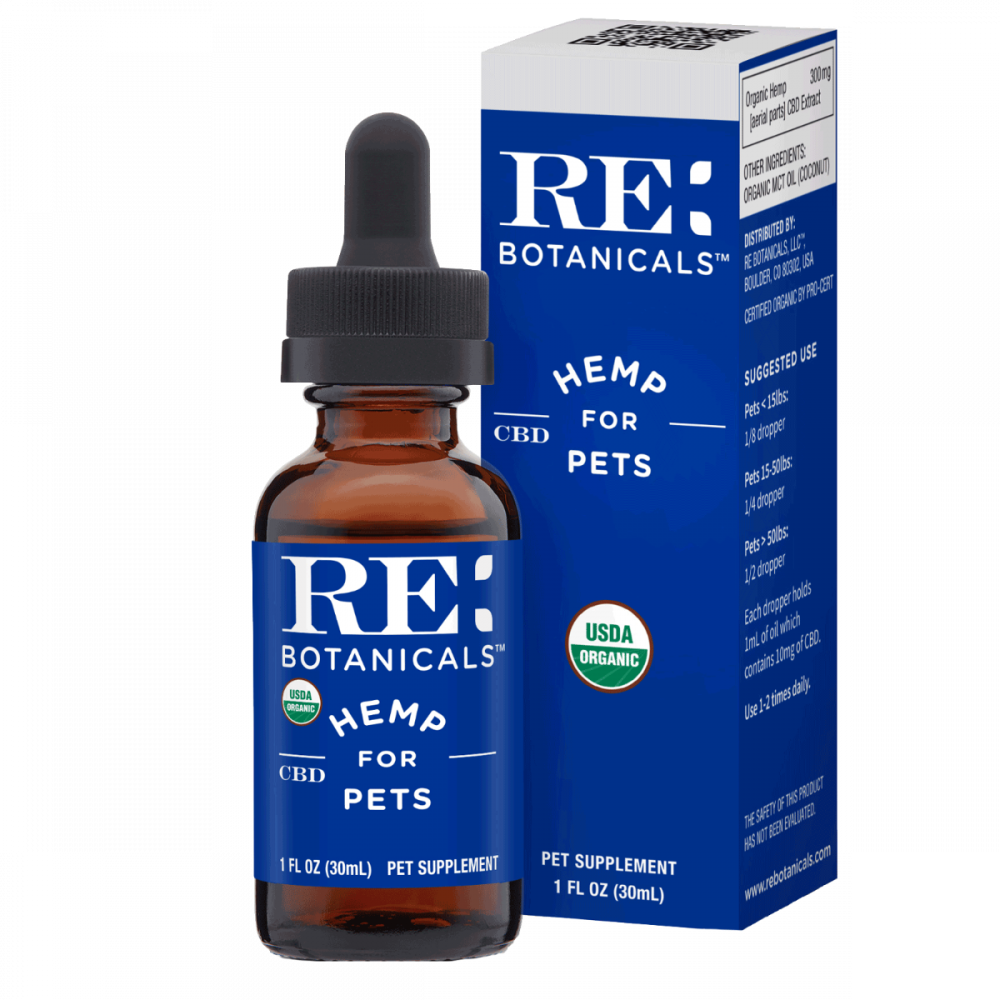
    Best Overall CBD Product for Dogs: RE Botanicals CBD Hemp Tincture for Pets
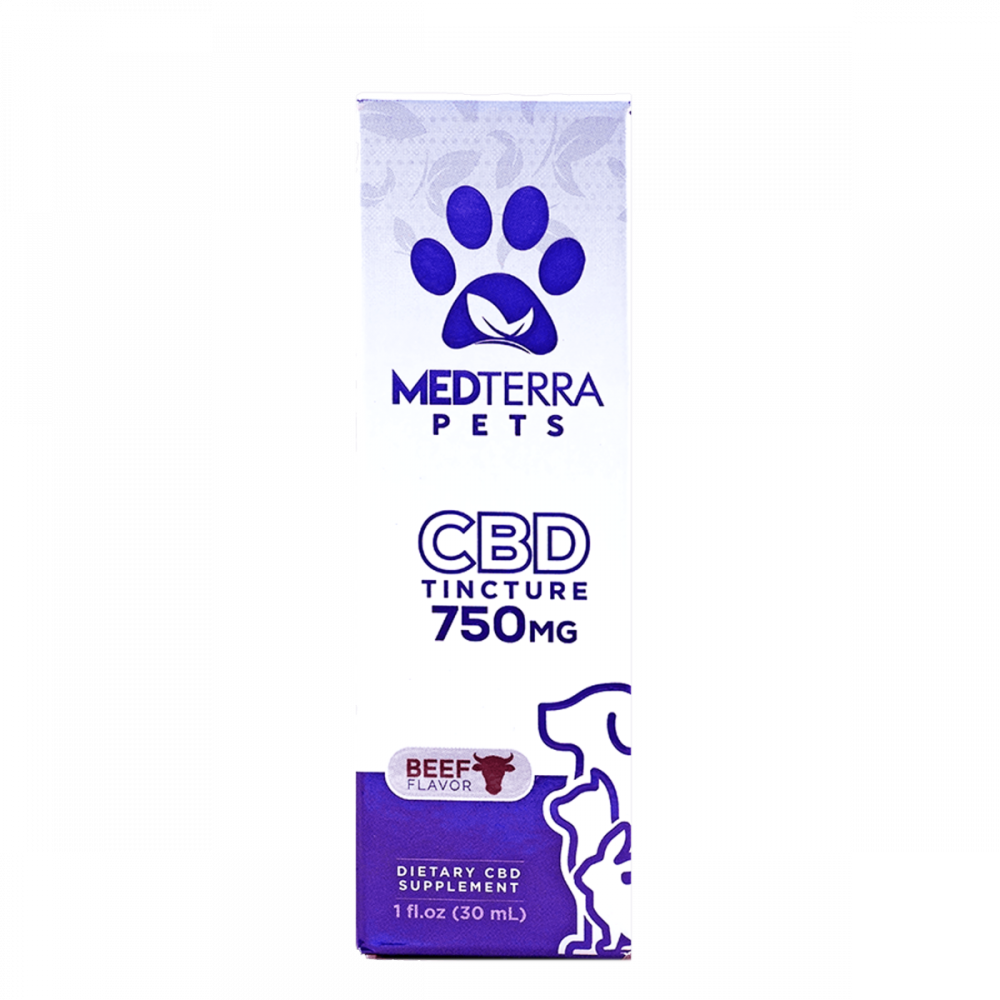
    Best Budget CDB product for Dogs: MedTerra's pet CBD Tincture
    Best Liquid CBD Oil for Dogs: MedTerra's Pet CBD Tincture 750mg (Beef)
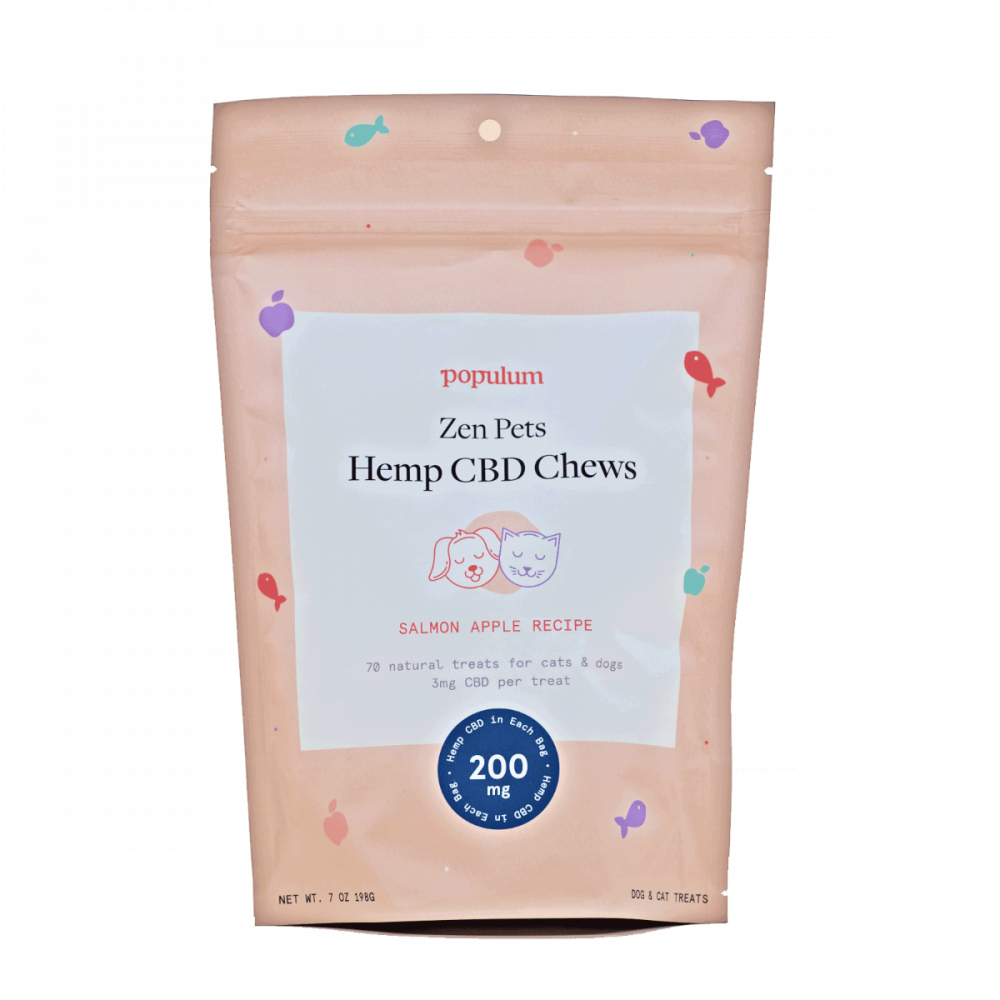
    Best CBD Chew or Treat for Dogs: Zen Pets Hemp CBD Chews

    How I determined the best CBD and Hemp Oil Products for your anxious dog: As I said, I am recommending products I have had success with. Additionally, I've only included products that have been scientifically tested for purity, potency, and quality.


    1. RE Botanicals CBD Hemp Tincture for Pets

    The CBD Tincture from RE Botanicals is amazing! Holly liked the flavor too whether I added it to her food or just gave her a squirt from the dropper. I didn't see any change for a few days, but then a neighbor was lighting off fireworks and my first instinct was to go comfort Holly in one of her favorite hiding spaces, but to my surprise she was fine, resting on the couch and seemingly unaware of the noise. Like I said, amazing.

    "My dog is nervous and this oil really calmed her! Normally, thunderstorms turn her into a complete wreck, but this oil calmed her completely. Super product!"

    "This stuff works! I work and this helps my dog with his separation anxiety. He loves the taste too. He licks the bottle!"

    Buy Now!

    2. MedTerra's Pet CBD Tincture

    I chose MedTerra's 150mg tincture for my top "budget pick" but the lower price has nothing to do with quality. This is another lab tested and verified CBD tincture. The lower price point is perfect if your not quite sure CBD is right for your dog. This CBD oil offers a safe, calming effect with little to no drowsiness. This is one of the first I tried for Holly and it's what sold me on CBD.

    "Our dog runs around crazy when there's thunder and lightning. We gave her these and she was fine. So wonderful! Super service too!"

    "It took a couple days to start working, but my dog has extreme anxiety. She usually barks at everyone but she's done a complete 180. Might not be for every dog but it worked for mine!"

    Buy Now!

    3. MedTerra's Pet CBD Tincture 750mg (Beef Flavor)

    Another verified product from MedTerra, their chicken flavored tincture was a fantastic find. Holly loves the chicken flavor and it really called her when she had to get used to being home alone when the kids went back to school. This one contains 750mg of CBD and can be used for your other furry friends as well.

    "With so many choices it's hard to know what will help. I tried with both of my dogs and it helped so much. Please try this if your dogs are anxious. It won't disappoint!"

    "This product helped my little guy so much. He's a chihuahua and so shaky and anxious all the time. We gave him this and he has calmed down so much. Thank you!"

    Buy Now!

    4. Zen Pets Hemp CBD Chews


    Holly can be picky, but she loves these treats! Salmon and apple are the first ingredients so you'll feel good about giving them daily. Holly gets three a day since she's about sixty pounds, and you can give more or less depending on the size of your dog.

    "My dog was so nervous he'd whine and chew things every night. No more! Now we can finally sleep."

    "As a veterinarian, I think that this is a great product, the best on the market. The variety of flavors is great too (no, I didn't try them!) Highly recommended!"

    Buy Now!

    There you have it, my list of the 4 Best Hemp and CBD oil products to calm your anxious dog in 2020. Again, I've tried a lot of different products and these were a few I had the best luck with. Please consider giving them a try. Your anxious dog will thank you!


    CBD and Hemp Oil FAQs

    What is CBD oil?
    CBD (cannabidiol) is a natural compound found in cannabis and hemp. It does not THC (delta-9-tetrahydrocannabinol) so it has no psychoactive effects. Most CBD products come from hemp, not cannabis, which by definition has only trace amounts of THC.

    Do these products really contain CBD?

    Yes. All products have been quality tested to assure you receive only the best CBD products. More information is available on the retailer's website.

    Are these CBD oil products safe for my dog?

    All CBD and hemp oil products listed are safe for your dog. They generally have no side effects and a re a natural remedy for dog anxiety.

    Are there any side effects with CBD?
    There are few side effects associated with CBD use and the side effects we see are similar to what we see in humans. These are:
    • Dry Mouth - make sure your dog has plenty of fresh water
    • Drowsiness - mostly seen with higher doses
    • Lowered Blood Pressure - a temporary side effect
    How much CBD oil should I give my dog?

    Each product comes with directions and dosing instructions. Generally the dose is about 0.25 mg/1-pound of weight, so for example, a 40 pound dog would receive 10mg of CBD in a single dose (0.25mg x 40 lbs = 10mg)

    Will CBD oil get my dog high?

    No. These products contain no THC and your dog will not get high. CBD is a completely different kind of cannabinoid than THC, and CBD will reduce anxiety whereas THC can exacerbate it.

    Do these CBD products actually work?

    While results can vary, CBD's effectiveness as a treatment for anxiety and other health issues is well-documented and backed by science. Additionally, the vast majority of customer testimonials state that the CBD and hemp oil products work and can give your dog "a new lease on life."

    Can I find CBD Oil near me?

    CBD oil is sold in a variety of locations and from online vendors. We recommend TruPotency as they're the only CBD vendor we know who fully tests all brands for purity and quality.

    Things to consider when buying CBD:
    • Don't automatically go for the cheapest product. Many CBD products, though cheap, are ineffective and may not even contain CBD.
    • See if your CBD has been tested and analyzed - many CBD products are not tested since it is not currently required by the FDA. Make sure you choose products that have been tested for quality and purity.
    • Don't give up! CBD can take some time to show its effectiveness and you may need to increase the dosage. Check with your veterinarian!

    Are CBD oil and Hemp oil the same thing?
    Yes and no. People use these terms interchangeably these days but the fact is if you have a full spectrum hemp oil, it's going to contain CBD. Beware products made from only hemp SEED oil, these contain no CBD and won't be effective for treatment.


    More about my anxious dog Holly and her CBD Oil Experience:

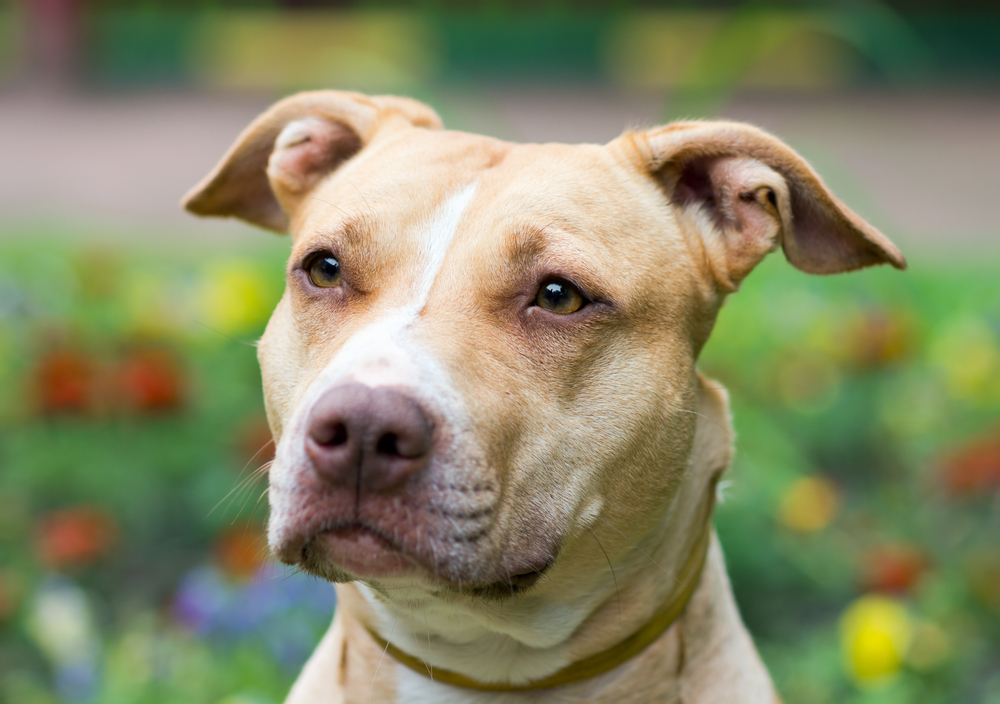
    I adopted Holly from our local Humane Society in 2016. I knew she was the dog for me as soon as I saw her. A gorgeous tan and white pit bull mix, she'd just been spayed, complete with a "cone." She was docile and sweet and wouldn't stop licking my hand as I pet her through the chain-link kennel. When we got home, all she wanted to do was cuddle on the couch. It was wonderful.

    Holly's calm demeanor continued throughout her recovery, but I soon learned that docile demeanor was thanks to her post-surgery pain meds. Now don't get me wrong, Holly was as sweet as ever, but overnight she was now full of nervous energy, whined when I left the room, and when our first spring thunderstorm hit, she was an anxious mess. It killed me to hear her cry every time I left the house for the day, or to try and coax her out from under the bed during my neighbors' impromptu March fireworks display. She deserved better. I stopped at the vet, but other than a prescription for doggy Xanax, there was not much they could offer. I decided to search the web for effective treatments and that's when I stumbled onto CBD oil as a treatment for dog anxiety.

    I'm skeptical by nature and typically write off natural cures as "snake-oil." However, I'd also read some studies about CBD oil for anxiety and the results were promising. I read a bunch of reviews for CBD oil and hemp oil products that were marketed toward helping dogs with conditionals like anxiety, arthritis, and even skin conditions. As I mentioned in the introduction to this article, Holly can be a little picky when it comes to treats and food, and since I expected the same from the CBD oils and treats, I decided to try a few of the different products for myself, er, for Holly. I started with the the Pets Primal oil and then I played the waiting game. The results did not occur immediately, but I fought through the whining and crying of separation anxiety, and in less than a week I began to notice a change. Not only did Holly stop crying when I left for the day, but she was calmer when I got home too. I actually found myself looking forward to the next thunderstorm, so I could see how Holly would react, and a couple months later I got my answer. The monsoon season began and the thunder didn't bother her one bit. I remember sitting on the couch when it started, Holly was in the recliner, and while I was ready for her to freak out and hide under the bed, she just kind of looked at me like, "You hear that?" before settling back into her nap.

    Needless to say I was relieved. Even more so, I was shocked. This was a completely different dog, calm, not anxious or shaking with anxiety when I came and went! I decided to try a bunch of these products, just to compare the effects and I found that there are a number of effective CBD oil products that were effective in combating Holly's anxiety. She definitely prefers the "treats" but I keep a bottle of the Pets Primal anti-anxiety oil on hand should I run out of her favorite, and she takes it easily with a couple squirts in her mouth or added to her food. Again, I've tried a number of these products and the ones I've mentioned were what seemed to work the best.

    We worry so much about our pets and when they're suffering, but the worst feeling an dog owner can experience is helplessness. If you have an anxious canine, I recommend you check out the reviews for CBD oil products for dogs. While they may not be effective in every case, the evidence is clear that these hemp oil and CBD products can make a real difference in your dog's life, reducing anxiety and more, and improving the quality of life for not only your dog, but for you as well.


    Editor's Note: Want to know even more about CBD? You can find articles on GrowersNetwork focused on...

    Sleep and Insomnia

    Sleep and Insomnia 2

    Stress and Anxiety

    Quality CBD products

    Mind and Body

    and CBD for Cats

    You can also check out TruPotency, the only online retailer that 3rd party tests every product they sell!


    Do you want to receive the next Grower's Spotlight as soon as it's available? Sign up below!


    Do you have any questions or comments?

    Feel free to post below!


    About the Author

    Chris DeWildt is a graduate of Grand Valley State University and Western Kentucky University. He worked in education and publishing for ten years before joining the team at Growers Network.


    Enjoyed the article? Want to continue the conversation?
    Join Now

    Interview with Dr. Stuart Titus, CEO of Medical Marijuana, Inc.

    We spoke with Dr. Titus, CEO of Medical Marijuana Inc about CBD products, the future of the industry, and the amateur PGA mini tour. Read on!

    The following is an interview with industry experts. Growers Network does not endorse nor evaluate the claims of our interviewees, nor do they influence our editorial process. We thank our interviewees for their time and effort so we can continue our exclusive Growers Spotlight service.

    To skip to any section within this article, click the links below:

  • Short on time? Check out our shortened article!
  • About Dr. Titus
  • About the Business
  • Thoughts on the Future
  • Resources

    Abbreviated Article


    Editor’s Note: Growers Network appreciates its readers! If you are limited on time, we are now offering abbreviated versions of our articles. Click below to view.

    5-Minute Snapshot

    About Dr. Titus

    Tell us about your evolution from wall street broker to cannabis CEO. What prompted the change and why cannabis?

    I was a bond trader and underwriter on Wall Street from 1979 to 1990 and eventually I’d just had enough of that New York lifestyle and totally switched gears. In college I was a pretty fair golfer and actually played on the PGA ameteur mini tour, and my friend Paul Calloway was the head physical therapist in the PGA tour. I trained under him doing a very interesting type of low level electrical stimulation called microcurrent therapy, and after I earned a degree in physiotherapeutics, I had a wonderful therapy practice in the Carolinas, and this is where a lot of athletes who would be getting this type of therapy on-season with their teams would come in the off season. Many of these people were all using cannabis to help with pain control, with sleep, with inflammation, etc and though they had access to all kinds of pharmaceutical medications, they by and large preferred the natural botanical cannabis products and this got to be such an amazing trend that I decided to attend a couple symposia on medical cannabis and see if there’s any real science to it and I couldn’t believe the huge amount of research on the extracts of the cannabis plants. I was just astounded. When Medical Marijuana Inc started in California in Mar 2009, and when the principles of the company found out I had wall street ties and contacts and asked if I could possibly help raise some venture capital money. Things escalated quite significantly when two years after inception of Medical Marijuana Inc when a new group came in and bought the company from the founders and when they informed me of their plans and what the possibilities were with CBD, I became involved far more significantly.

    Medical Marijuana Inc has a lot of different things happening, what aspect of industry are you most passionate about?

    We love the international expansion and this has been something our company has been at the forefront of. So for us to have had the opportunity to be first into the country of Brazil to help change the dialogue to help educate the difference between hemp and marijuana, the psychoactive cannabinoids versus the non-Psychoactive ones, the humanitarian aspect for children who really are out of options so to speak. It’s just been phenomenal to be a part of this.


    About the Business

    Can you tell us about the “International CBD Pipeline” your company is creating?

    I’d been working with a consortium of European farmers to grow a hemp crop with a high concentration CBD. From here we had to develop import and export regulations to take this product from European markets and bring it to the US so we could actually work with it. So we developed this supply pipeline and we’re currently importing our CBD from European markets because we had a good experience over there.

    What’s the latest in cannabis medicine development? Any new & exciting products on the horizon?

    GW Pharmaceuticals just had the wonderful FDA approval of Epidiolex which has had extensive clinical study and research and has shown great benefits. Also, CBD is able to confer a wonderful process called neurogenesis, the regenerating these nerves brain cells and neurological pathways for patients. We really believe this concept of neurogenesis is going to be the next hot topic in neurological medicine.


    Thoughts on the Future

    More and more jurisdictions are making recreational cannabis legal. Do you think there will still be a place for marketing to a medicinal audience if patients can just walk into a dispensary without a card?

    I believe certainly that if you have a choice between doing alcohol and cannabis, you’re better off doing the cannabis. The long term negative consequences of alcohol we’ve seen with encephalopathy, liver transplants, etc. We believe cannabis is over 100 times safer. But getting back to the recreational market we think that even recreational use of cannabis has medicinal benefits. There’s a nice bit of research that’s shown regular cannabis users are two-thirds less likely to develop diabetes. There’s a protective effect on the beta cells of the pancreas. There’s also a neuro-protective benefit for your brain cells. So even though we’re seeing some movement toward the recreational allowance, I certainly think this is an interesting phenomenon.

    Having been a Wall Street broker, do you have any advice regarding investing in the cannabis industry? Which areas of the industry to you expect to “take off?” Which areas do you think are overvalued?

    It’s been phenomenal to see what’s been going on in the cannabis industry over the past few years. We’ve had tremendous amount of Canadian-licensed producers generating billions of dollars of investor capital to move forward with expansion, growth, and it’s just been incredible. However, investors should probably take a look at some of the relatively undervalued US cannabis assets because the Canadian assets do seem to be slightly overvalued.

    What are your predictions for the future of Cannabis IPOs?

    I think what we’ve seen with companies such as Tilray and other companies have done fabulously well. Of course many companies in the US are now doing these reverse mergers in Canada, and some of these have been very successful. The investing public is now seeing that the risk is reduced and certainly the investing public are looking at some of the newer companies. I think the investing public is very much looking forward to the next IPO and perhaps the next Tilray.

    If you like the abbreviated article, let us know in the survey at the bottom of the article! We’re always interested in hearing your feedback. If you want to read more, you can read the full article below.


    About Dr. Titus


    Tell us about your evolution from wall street broker to cannabis CEO. What prompted the change and why cannabis?

    I certainly have had an interesting and varied career and it’s been phenomenal. I was a bond trader and underwriter on Wall Street from 1979 to 1990 and eventually I’d just had enough of that New York lifestyle and totally switched gears. In college I was a pretty fair golfer and actually played on the PGA ameteur mini tour, but certainly had great ties with the golf industry and one of my good friends from college, Paul Calloway, was the head physical therapist in the PGA tour and I trained under him as he was doing a very interesting type of low level electrical stimulation called microcurrent therapy which was the rage of the professional sport and olympic athlete community for many years. After that I earned a degree in physio therapeutics, and I had a wonderful therapy practice in the Carolinas, and this is where a lot of athletes who would be getting this type of therapy on-season with their teams would come in the off season because I was only a handful of these types of practitioners doing this with the general public. Many of these people were all using cannabis to help with pain control, with sleep, with inflammation, etc and though they had access to all kinds of pharmaceutical medications, they by and large preferred the natural botanical cannabis products and this got to be such an amazing trend that I decided to attend a couple symposia on medical cannabis and see if there’s any real science to it. I couldn’t believe the huge amount of research on the extracts of the cannabis plants, the cannabinoids going on not only in the US, but around the world, things like the US government holding the patents on the research side, the National Institute of Health’s research team including nobel prize winning laureate Dr, Julius Axelrod, and not to mention a tremendous amount of other research on the cannabinoids happening around the globe. I was just astounded. When Medical Marijuana, Inc started in California in Mar 2009 – this was America’s first publicly traded cannabis company so I became involved just as an investor – I thought this was possibly the next great growth industry in America. The principle parties of the company found out I had Wall Street ties and asked if I could possibly help raise some venture capital money. That’s where relationship basically started. Things escalated quite significantly when two years after inception of Medical Marijuana Inc when a new group came in and bought the company from the founders. This group had been researching CBD for 4 years prior for the European market. When they informed me of their plans and what the possibilities were with CBD, I became involved far more significantly and took a full-time position here that lead to my current role as President and CEO of Medical Marijuana Inc. It’s great to see the science is supporting this, and of course many people anecdotally are using cannabis all types of Cannabis: Hemp, CBD, marijuana etc, to treat a good number of conditions that would normally be treated with traditional pharmaceutical medications. I believe we’re seeing a tremendous trend in cannabis friendly states: your medicare part D and your prescription drug coverage are 25-30% lower in these states. This is presumably because patients are giving up on some of their traditional pharmaceutical medications in favor of the more natural botanical variety that doesn’t incur all the side effects. We’ve seen some interesting research reported by Forbes showing that the average patient who starts a course of CBD therapy is on 2.8 pharmaceutical pills per day, and after 3-4 months they’re down to 0.7 pills per day.

    Medical Marijuana, Inc has a lot of different things happening, what aspect of industry are you most passionate about?

    We love the international expansion, and this has been something our company has been at the forefront of. Many of us think about history as something we read in books and we learn to try to pass classes in school, but some of us have lived it and when you’ve seen some of the amazing things that have happened in our industry just the over the past few years, for example, with our company legalizing our product in Brazil (April 2014) as a full on medical prescription product that’s available for the treatment of refractory epilepsy. This is a type of epileptic seizure disorder that is resistant to pharmaceutical intervention, and in many cases our product works fabulously well for these epileptic children. So for us to have had the opportunity to be first into the country of Brazil to help change the dialogue and help educate people on the difference between hemp and marijuana, the psychoactive cannabinoids versus the non-Psychoactive ones, the benefits, the humanitarian aspect for children who really are out of options so to speak. It’s just been phenomenal to be a part of this. One of those stories alone is enough to have a tremendous career on, but obviously we continued along, and Mexico similarly legalized our products as of February 2016. Now here we had to be a little bit creative and innovative, again another one of our company firsts: we had to develop a fully THC-free version of our CBD. We had to pass the regulatory authorities’ guidelines because in Mexico you have a tremendous amount of drug cartel violence, the war on drugs, etc – these really hit home in the Mexican population and the regulatory authorities could see that CBD had tremendous applications despite the THC issues. They really challenged us, telling us if we could develop a fully THC-free version, we could get that approved and passed. So in the year 2015 we worked on this in our laboratory facilities, came up with a formulation toward the end of 2015, and was extensively tested by the government of Mexico. They gave the thumbs up as of February 2016, and we currently service a great number of patients in the Mexican markets where it’s now available by doctor’s prescription. We’re very much looking forward to the new Mexican President. He took office official in December 2018 and he’s much more progressive in his stance toward cannabis. We think this is going to have great implications for CBD in that country. Those are a couple of the firsts we were able to accomplish. More recently we’ve seen tremendous things happening in the European markets. We’ve launched one of our divisions, our Kannaway multi level marketing sales division over in the European Markets Dec 1st 2017, and the growth in the European markets has been phenomenal. I was just over in Prague in the Czech Republic a week and a half ago for a grand opening event. It was incredibly well attended about 2000 brand ambassadors, a huge number of medical doctors attending, and the results that some of the patients were reporting the product improved their overall levels of health and wellness are just absolutely astounding. I’ve been so happy to be a part of this. It was perhaps the culmination of my career, and we’re certainly very excited to announce some of the great things going on in the European markets over the coming months and years. I think that’s going to add significantly to our company’s growth and our bottom line for our shareholders.


    About the Business


    Can you tell us about the “International CBD Pipeline” your company is creating?

    We were really at the forefront of this as well being the company to really introduce a nutriceutical hemp based CBD product to US and World markets. In the spring of 2012, a group came in and bought Medical Marijuana Inc from its original founders. I’d been working with a consortium of European farmers to grow a hemp crop with a high concentration CBD. This process took place from the years of 2007 to 2011, and after 4 years of successive crop cycles and rotations, we got significantly higher CBD concentrations and by fall of 2011, we thought it was a high enough concentration to provide some health and wellness benefits. We went ahead and did our harvest, and after the extraction we had our CBD-rich Hemp oil in Europe. From here we had to develop import and export regulations to take this product from European markets and bring it to the US so we could actually work with it. So we developed this supply pipeline, and we’re currently importing our CBD from European markets because we had a good experience over there. We know that the 2018 US farm bill with the hemp provisions may allow us to start to source from US suppliers. This is very exciting obviously, we’re very excited to have more locally sourced hemp. Still the letter of the law brings us to the European source. We’ve got wonderful products with a nice compliment of entourage botanicals, and I really think the overall therapeutics, this emerging concept of the entourage effect of cannabinoids and all your other chemical compounds create a synergy to provide a better effect than just the isolated CBD. Currently, GW Pharmaceuticals just had the FDA approval of Epidiolex, an isolated form of CBD. Yes, they’re getting certain results with patients in terms of epileptic seizure disorders, but unfortunately since it’s a pharmaceutical, semi-synthetic product, there are also some unwanted side effects that many patients are unwilling to accept unfortunately. However, our study and research in countries like Mexico and Brazil are showing better results with our products because of the entourage effect, not only the overall seizure reductions, but we’re also showing “side benefits.” Many of the parents are reporting “Gosh, my child has significantly improved emotions, significantly improved cognition, significantly improved personal interactions skills, better appetite, better sleep.” There are interesting things happening with the natural botanical form of CBD that we’re not really seeing with the pharmaceutical version.

    What’s the latest in cannabis medicine development? Any new & exciting products on the horizon?

    There are a great number of exciting things coming along. We just had the wonderful FDA approval of Epidiolex which has had extensive clinical study and research and has shown great benefits. Dr. Orrin Devinsky from New York University Hospital has been the lead researcher on this, and his research shows that we have this amazing internal androgynous cannabinoid system containing a number of receptor sites expressed throughout the human body that accept cannabinoids: your CB1 receptor widely expressed throughout your brain, spinal column, and central nervous system. The CB2 receptor in the gut, the viscera, the internal organs of the body which helps the body to maintain immune function and immune response. These are great, but they are also a huge number of peripheral receptor sites, and Dr. Devinsky credits CBD’s action to a peripheral receptor site called the G protein-coupled receptor site (GPR), and another particular receptor site, number 55. Dr. Grazinsky credits CBD’s action on this GPR 55 receptor as the reason these seizure disorders are coming down so significantly in these children with epilepsy. In theory you would have thought it’s the CB1 receptor or your CB2 receptor being turned on, but what we thought to be just a minor peripheral receptor site does accept cannabinoids and seizures are reduced in children because of CBD’s action on it. It’s such a profound effect; these whole G protein-coupled receptor family controls the action of about 800 human genes or 4% of our human genomic sequence. From this we are very excited about CBD’s potential to help some people with a genetically inherited challenges overcome these disorders. I certainly think this is one of the great things coming forth on the research front. With our whole spectrum of products with the entourage effect, these children are having these “side benefits” rather than side effects. It’s also interesting to see that CBD is able to confer a wonderful process called neurogenesis, the regenerating these nerves brain cells and neurological pathways for patients. It’s only been proven in rats and other animals in a test setting, but I think we can prove the concept of neurogenesis in humans. It’s really exciting to rewrite the basis of neurological medicine as 40% of all doctor visits are for neurological conditions, either pain or some peripheral neuropathy, and there isn’t a very good treatment for these neurodegenerative disorders. You look at Parkinson’s, Alzheimer’s, Multiple Sclerosis, Post Traumatic Stress Disorder, epilepsy; often there’s not really a good pharmaceutical answer, and all of the sudden these neurologists maybe armed with some additional ammunition that would allow them to better treat their patients and raise the overall levels of health and wellness. But beyond that we really think this process of neurogenesis surely could be the mythical fountain of youth we’re all looking for. We’re excited about some of the anti-aging benefits that CBD is able to confer, and we really believe this concept of neurogenesis is going to be the next hot topic in neurological medicine.

    Thoughts on the Future


    More and more jurisdictions are making recreational cannabis legal. Do you think there will still be a place for marketing to a medicinal audience if patients can just walk into a dispensary without a card?

    I believe certainly that if you have a choice between doing alcohol and cannabis, you’re better off doing the cannabis. The long term negative consequences of alcohol we’ve seen with encephalopathy, liver transplants, etc. We believe cannabis is over 100 times safer. We don’t have the terrible situation in Colorado people were predicting before legalization, that it would have terrible social destruction. In fact, after the Colorado experiment, crime is down about 20%, bar fights aren’t breaking out because people are laughing and hugging in the streets. There’s also an interesting consciousness, meaning if you go to Colorado there’s a different vibe out there. It does seem to be that cannabinoids help people to overcome some challenges in life. Some people who are regular CBD users find they are much better able to cope with things such as stress, they don’t have the big mood swings, they’re a lot more calm and focus, more relaxed. We also see that cannabinoids may help improve the overall level of consciousness, perhaps the next step in human evolution. But getting back to the recreational market we think that even recreational use of cannabis has medicinal benefits. There’s a nice bit of research that’s shown regular cannabis users are two-thirds less likely to develop diabetes. There’s a protective effect on the beta cells of the pancreas. There’s also a neuro-protective benefit for your brain cells. There’s also some interesting research out of UCLA’s Medical Center in Torrance where researchers are looking at a group of almost 500 young adults who were in unfortunate automobile accidents resulting in traumatic head injury. Of this patient population, those that were regular cannabis users were 80% more likely to survive a traumatic brain injury, presumably because their brain cells have this added layer of neuro-protection that cannabis, cannabinoids, and CBD is able to offer. So even though we’re seeing some movement toward the recreational allowance, I certainly think this is an interesting phenomenon. I think this is really going to help people overcome a lot of health challenges, and hopefully be able to lower our overall cost of health care because people are going to be healthier and living better quality lives.

    Having been a Wall Street broker, do you have any advice regarding investing in the cannabis industry? Which areas of the industry to you expect to “take off?” Which areas do you think are overvalued?

    It’s been phenomenal to see what’s been going on in the cannabis industry over the past few years. We’ve had tremendous amount of Canadian-licensed producers generating billions of dollars of investor capital to move forward with expansion, and it’s just been incredible. Many of these have been very successful stock stories, the most terrific one being Tilray, which came with a NASDAQ listing of an IPO a few months ago at 17 dollars a share, and it did skyrocket as high as 300 dollars a share. Things seem to be stabilizing in the low 100s, and it’s a tremendous story. For early investors it’s an absolute home run.

    I’m excited about future because many other countries we believe will legalize cannabis and there will be Tilrays in these other countries as well. Certainly the industry is ripe for growth, and when it’s fully developed, the cannabis industry will employ well over one million individuals, and we think it’s going to add percentage points to our national GDP. We do see some disruptions though, disruption in the pharmaceutical industry, disruption in the alcohol and tobacco industries, and many of the alcohol manufactures are seeing this. In Colorado, beer sales are down about 15% since the legalization of Cannabis, and now many of the alcohol manufacturers are partnering with Canadian licensed producers to produce a THC form of non-alcoholic beer that will still give you a bit of a buzz because of the THC. We’ve seen Constellation Brands, a publicly traded company investing 4 billion us dollars in the Canopy First corporation, just to produce these future THC alcoholic beverages. Of course there are many other big New York Stock Exchange companies such as Scott’s Miracle Grow, very much involved in soil nutrients, grow lights, etc.

    For investors, these Canadian assets, many of these companies are trading at multi-billion dollar market caps, and it has boded very well for the future and stability. However, when you’ve got a multi-billion dollar market cap, it’s hard to grow your company at any kind of significant rate like can be shown with some of these smaller start up companies. These smaller businesses often show an accelerated growth curve and an increase in sales of 50-100% over a year isn’t uncommon. Our company is relatively small in terms of market cap, now under 250 million, but our revenues from this time last year are already over 100% and we haven’t even announced our 4th quarter yet . Investors should probably take a look at some of the relatively undervalued US cannabis assets because the Canadian assets do seem to be slightly overvalued, and we’re already seeing many Canadian licensed producers now looking to acquire some relatively undervalued US assets. So I’d encourage investors to take a look at some of these emerging companies here in the US. Also, the pharmaceutical side has great promise, and there are many young startup companies looking at the cannabinoid space in terms of pharmaceutical investment. I think these are great investment opportunities as well.

    What are your predictions for the future of Cannabis IPOs?

    I think what we’ve seen with companies such as Tilray and other companies have done fabulously well. Of course many companies in the US are now doing reverse mergers in Canada, and some of these have been very successful. The investing public is now seeing that the risk is reduced, and certainly the investing public are looking at some of the newer companies. There will be more IPOs because the appetite is there for the investors to pick a big story, and we’re very excited about one of our pharma partners that will probably going public next year. They have a very compelling story we believe – usually they have to go through clinical study and research to prove out their initial thesis – but some very early clinical work as well as animal tests, we think they have a very interesting avenue of approach that hopefully can get a good amount of investor attention. But there are many other companies who have similar capability, and I think the investing public is very much looking forward to the next IPO and perhaps the next Tilray.

    Do you want to receive the next Grower’s Spotlight as soon as it’s available? Sign up below!

    Want to get in touch with Medical Marijuana Inc?

    You can reach them via the following methods:

    1. Website: Medical Marijuana Inc
    2. Phone: (844) 710-6562

    Do you have any questions or comments?

    Do you have any questions or comments?

    Feel free to post below!


    About the Author

    About the Author

    Chris DeWildt is a graduate of Grand Valley State University and Western Kentucky University. He worked in education and publishing for ten years before joining the team at Growers Network.


  • Growers Network’s Guide to the Top 5 Hemp Foods You’ll Want to Try – Yum!

    In this article, Growers Network talks about a few of the food products produced from hemp.


    Hello! We’ve been talking a lot about hemp lately, sussing out the differences among its products and explaining the difference between hemp and its “illicit twin” marijuana.

    Well today, we continue our exploration of hemp with a little introduction to the top 5 hemp food products available. Read on!


    1. Hemp Hearts

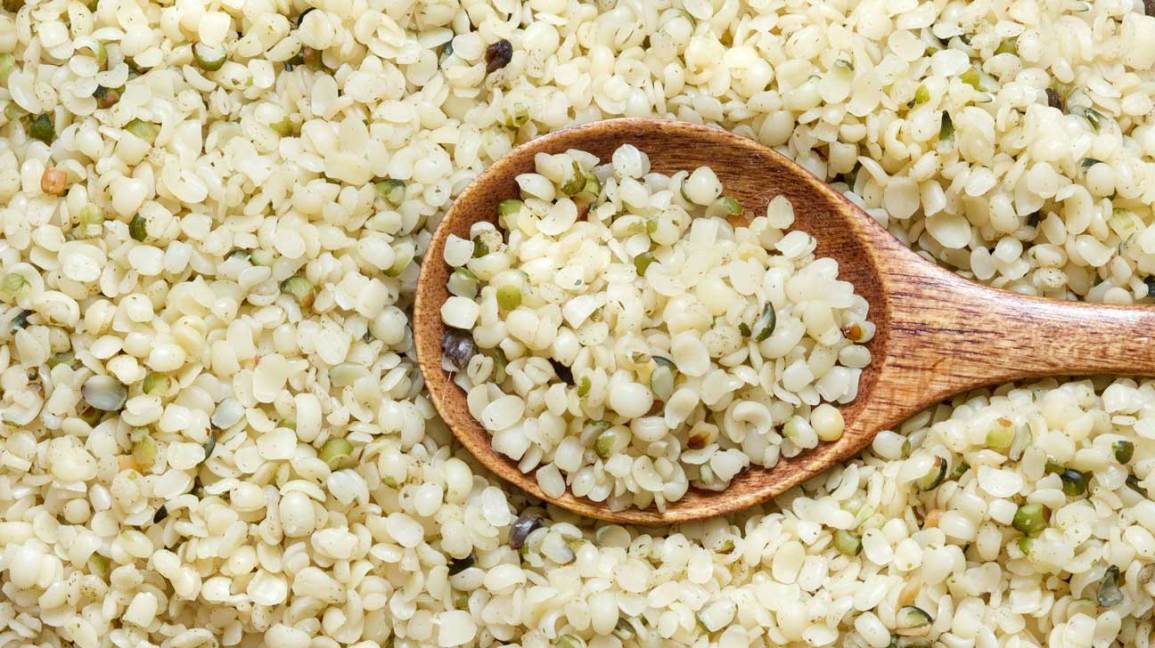
    Hemp hearts are edible hemp seeds. Pre-shelled, these seeds are packed with energy (90 calories per 1.5 tablespoon) and nutrients such as your fatty omega acids and protein.

    Hemp hearts can be eaten raw or sprinkled on salads, yogurt, oatmeal, etc to add a nutritious nutty flavor.


    2. Hemp Milk

    How do you milk a hemp plant? Very carefully.

    While not “milk” in the traditional sense, hemp milk is similar to almond milk and is obtained by grinding hemp seeds with water. With a strong nutty taste, it may not be for everyone, but it’s gluten-free, vegan, and a wonderful option for people with nut allergies or those who are looking for a dairy alternative.


    3. Hemp Flour

    You can even use hemp for baking! Hemp flour is made from hemp seeds and is great for bread, pizza crust, cakes, pastas, and more. You can even add this flour to your protein shake and take advantage of its 12 amino acids.


    4. Hemp Oil

    Hemp oil is a versatile food product that is packed full of omega fatty acids and the amino acids necessary for muscle growth. Edible hemp oil is recommended for use in smoothies, salads, vegetables, and pasta, however, this oil isn’t suitable for frying. Additionally, hemp oil has a limited shelf life and should be frozen or refrigerated before opening and once opened, the oil should be used in 8-12 weeks.


    5. Hemp Burgers

    Hemp burgers? While the beef purists out there may turn up their noses at the thought of a burger made from hemp, the more adventurous among us have another alternative to try. Hemp burgers are made primarily from hemp seeds, a mix of healthy greens, whole grains, and coconut oil. Free of corn, gluten, soy, dairy, and eggs, you can enjoy hemp burgers as they are or use them for recipes. Check out the Hilary’s product here and be sure to look at the suggested recipes (hemp sushi burger? Why not?!)


    Honorable Mentions

    We can’t possibly include every hemp-based food product in a single article, but we should mention the availability of hemp beer, hemp vodka, hemp butter, hemp granola, and even hemp hotdogs! That’s hemp-tastic!


    So there you have it, a few hemp-based foods to consider adding to your diet. What do you think? Have you tried any of these? Which ones sound best? Let us know in the survey below or better yet, join our forum and start a conversation. See you there!


    Do you want to receive the next Grower’s Spotlight as soon as it’s available? Sign up below!


    Do you have any questions or comments?

    Do you have any questions or comments?

    Feel free to post below!


    About the Author

    About the Author

    Chris DeWildt is a graduate of Grand Valley State University and Western Kentucky University. He worked in education and publishing for ten years before joining the team at Growers Network.


    A Safe Space for Cannabis: An Interview with Canna-Hub CEO, Tim McGraw

    We spoke with Tim McGraw about his transition from professional operator to CEO of Canna-Hub, a firm specializing in business parks exclusively for cannabis professionals.

    The following is an interview with an industry expert. Growers Network does not endorse nor evaluate the claims of our interviewees, nor do they influence our editorial process. We thank our interviewees for their time and effort so we can continue our exclusive Growers Spotlight service.

    To skip to any section within this article, click the links below:

  • Short on time? Check out our shortened article!
  • About Tim McGraw
  • The Canna-Hub Model
  • On the Industry
  • Resources

    Abbreviated Article


    Editor’s Note: Growers Network appreciates its readers! If you are limited on time, we are now offering abbreviated versions of our articles. Click below to view.

    5-Minute Snapshot

    About the Interviewee

    Tell me a little bit about how you became involved with Cannabis? Why did you give up your operation in Illinois?

    It became evident that Illinois was going to pass some legislation, so I started getting involved in the lobbying and working on the language that would end up being the Illinois law. Then in 2014 I was awarded two of Illinois’ twenty-one licenses to manufacture, cultivate, and transport cannabis.Then about two years ago I left Illinois because I saw the opportunity to apply my experience in real estate development and finance with my experience running the largest cannabis operations in the state of Illinois.


    The Canna-Hub Model

    Can you explain the Canna-Hub business park concept? Canna-Hub builds cannabis business parks that are zoned for twenty of the 24 California license types…so the entire value chain including 3rd party testing is on site. They are communities. Our developments save operators – our tenants – millions of dollars per year. How did you come up with the Canna-Hub model? It was just me looking at the California market. I knew there was an opportunity to apply what I’d done before. Two-thirds of the cities in California have a ban in place, and I saw an opportunity to work with these small towns to rewrite their ordinances. Now these cities are seeing an insane economic impact, and it was really just the perfect confluence of things: my experience, the market in California, and the timing was right, so I decided to move the family out West. What are the biggest challenges/drawbacks when an individual or group try to find appropriate real estate for their cannabis business? A lot of it is timing and finding the right community partners. Outside of that you have environmental concerns, conditional use permits, development agreements. It’s a lot of work that needs to be done in order to have a piece property that even allows for cannabis. We’ve cut through all of that already on our projects, so there’s really no quicker way to get to market than occupying one of our parks. How is Canna-Hub able to secure the “lowest local permit fees in CA?” A lot of it just has to do with track record and level of sophistication. Having a track record where they can call and check on you with mayors and city councils, seeing that you’re legit goes a long way. So the fact that I was a known commodity in the industry was helpful in securing fees that were favorable to our tenants. Any plans to take this model outside of California? Not in exactly the same format, but we are looking at opportunities in Canada and other states, but they’re not on the same scale as the CA operations. There’s either a limited number of licenses or there’s a limited market size. How have the communities you’ve worked in reacted to the work you do in cannabis friendly real estate? Any push back? Every city that I’ve built a facility in has had zero issues, but has enjoyed job creation and more money in their coffers. The people that rally against cannabis usually have a bone to pick because they’re losing money in a competing industry. If you like locking people up, or you like selling them alcohol or highly addictive pills, that’s the only opposition.


    Views on the Industry

    Are there any drawbacks to multiple cannabis businesses being close to one another? For example, multiple dispensaries sharing a customer base seems like it would cut into the bottom line. Is there any truth to this in your opinion? We don’t have dispensaries on site just for security reasons. We see the opposite actually, with brands working together and cooperating. As hobbyist growing increases with legalization, do you expect a negative financial impact on professional cannabis businesses? No, you don’t see the alcohol companies worrying about home brewers. A few people growing at home isn’t competition for the commercial market. What financial impact to you foresee if cannabis is legalized at the federal level? Even if it becomes federally legalized, it doesn’t change the fact that states have rights and they can pass laws against it if they want. So rescheduling, descheduling, even legalizing cannabis won’t create interstate commerce overnight. You will see a huge shift in banking and general access, but interstate commerce isn’t something you’ll see right away. What do you predict for the future regarding cannabis friendly real estate? The market demand is still very high, so it’s not saturated at all at this point…so we think we sit in a really good place long term as we continue to build our portfolio.

    If you like the abbreviated article, let us know in the survey at the bottom of the article! We’re always interested in hearing your feedback. If you want to read more, you can read the full article below.


    About Tim McGraw


    Tell me a little bit about how you became involved with Cannabis? Why did you give up your operation in Illinois?

    I was actually thinking about this the other day, what my origin story was, how it evolved, and it’s kind of hard to put my finger on, but sometime in 2012 I made my first trip out to Colorado, and very quickly after that it became evident that Illinois was going to pass some legislation, so I started getting involved in the lobbying and working on the language that would end up being the Illinois law. Later, in 2014, I was awarded two of Illinois’ twenty-one licenses to manufacture, cultivate, and transport cannabis. Then about two years ago I left Illinois because I saw the opportunity to apply my experience in real estate development and finance with my experience running the largest cannabis operations in the state. Apply that strategy to the largest cannabis market in the world out here in CA – There are 39 million residents and it’s going to be a $6 billion market by 2020, so it’s really the perfect market for what we do: build cannabis business parks.


    The Canna-Hub Model


    Can you explain the Canna-Hub business park concept?

    Canna-Hub builds cannabis business parks that are zoned for twenty of the twenty-four California license types – tissue culture, nursery cultivation, both indoor and greenhouse, manufacturing, solvents, distribution, transportation – so the entire value chain including 3rd party testing is on site. They are communities, and there’s a huge amount of savings realized by not having to leave the park for any reason. You save money there, and additionally the operators save money because they aren’t paying a local revenue tax or gross sales tax. The average local or county tax state-wide is 7.6. Our developments, all two million square feet of Canna-Hub operations have no revenue tax, and that saves operators – our tenants – millions of dollars per year. So it’s silly quite frankly for them to locate anywhere else.

    How did you come up with the Canna-Hub model?

    It wasn’t that inspired frankly, it was just me looking at the California market. It’s been legal there since 1996, but it’s been the wild west that entire time. So when I saw this very inclusive California law was going to pass – still regulated, but with no limit to the number of licenses – I knew there was an opportunity to apply what I’d done before. Now, in order to even apply for a license in California you have to prove that your property is zoned for that specific purpose. Whether it’s distribution, manufacture, or cultivation, your zoning ordinance has to allow for that. Add to that the fact that two-thirds of the cities in California have a ban in place, and I saw an opportunity to work with these small towns the way I had in Illinois and other states to rewrite their ordinances. Now these cities are seeing an insane economic impact: hundreds, and in some cases over one thousand new jobs, in addition to millions of dollars in permit fees annually going into their coffers. In some cases this doubles their yearly budget. That’s significant and historic for these cities. So it was really just the perfect confluence of things: my experience, the market in California, and the timing was right, so I decided to move the family out West.

    What are the biggest challenges/drawbacks when an individual or group try to find appropriate real estate for their cannabis business?

    I’ve experienced all of them because I’ve been through it so many times. A lot of it is timing and finding the right community partners. Outside of that you have environmental concerns, conditional use permits, development agreements; it’s a lot of work that needs to be done in order to have a piece property that even allows for cannabis, let alone to start building. We’ve cut through all of that already on our projects, so there’s really no quicker way to get to market than occupying one of our parks. There are a lot of potential hurdles, and a lot of it’s financial. It takes a long time and a lot of money to go through this process; there are legal fees and a lot of manpower required. A lot of people underestimate it. They think they just go into a space and start growing. It’s not that simple.

    How is Canna-Hub able to secure the “lowest local permit fees in CA?” Any plans to take this model outside of California?

    A lot of it just has to do with track record and level of sophistication. I went and met with these cities, and I wasn’t the first developer to approach them, they had met with several, but they saw this was not my first rodeo. Development and construction inside the cannabis industry is far more difficult than anybody knows. From infrastructure, the sophistication and complexity of cannabis operations are way more than anyone understands and dealing with these small towns, politically and otherwise, is something that having a track record where they can call and check on you with mayors and city councils – seeing that you’re legit goes a long way. So the fact that I was a known commodity in the industry was helpful in securing zoning ordinances that were favorable to our tenants.

    Any plans to take this model outside of California?

    Not in exactly the same format, but we are looking at opportunities in Canada and other states, but they’re not on the same scale as the CA operations. There’s either a limited number of licenses or there’s a limited market size. Our focus is on California for business parks right now. Outside of the state we’re doing some sale lease backs, buying existing facilities from operators to free up some capital for them.

    How have the communities you’ve worked in reacted to the work you do in cannabis friendly real estate? Any push back?

    Every city that I’ve built a facility in has had zero issues, but has enjoyed job creation and more money in their coffers. They’ve seen huge economic stimulus, they see social impacts because now they have more money to provide better services to their community. So, no push back, not from communities because there’s really no downside. When cities see there is no boogeyman, when they realize there won’t be people outside picketing them, they realize we are the majority these days. Meaning that the majority of Americans, nearly 70%, support legalized or decriminalized cannabis. The people that rally against cannabis usually have a bone to pick because they’re losing money in a competing industry. Whether it’s pharmaceuticals or alcohol, 99% of the naysayers are tied to those two industries – that or the industrial prison complex. If you like locking people up, or you like selling them alcohol or highly addictive pills, if anything threatens that, they’re going to fight it. That’s the only opposition. Politically, at the state level and otherwise, the only people you see lobbying against cannabis bills are either tied to the police union, the corrections officers union, pharmaceuticals, or alcohol. That’s where the money comes from to fight Cannabis. It’s not a grassroots movement.

    On the Industry


    Are there any drawbacks to multiple cannabis businesses being close to one another? For example, multiple dispensaries sharing a customer base seems like it would cut into the bottom line. Is there any truth to this in your opinion?

    No. We’re mainly manufacturing, everything but retail, cultivation through distribution. We don’t have dispensaries on site just for security reasons. So there’s no retail competition on our campuses. We see the opposite actually with brands working together and cooperating.

    As hobbyist growing increases with legalization, do you expect a negative financial impact on professional cannabis businesses?

    No, none. Growing cannabis is harder than making beer and you don’t see the alcohol companies worrying about home brewers. The consistency, the quality, the 3rd party testing that you get through a regulated system far outweighs growing a few plants at home. A few people growing at home isn’t competition for the commercial market.

    What negative financial impact do you foresee if cannabis is legalized at the federal level?

    We don’t expect thatto happen. Even if it becomes federally legalized, it doesn’t change the fact that states have rights and they can pass laws against it if they want. So rescheduling, descheduling, even legalizing cannabis won’t create interstate commerce overnight. Until it’s legal in nearly every state and interstate commerce is possible, that’s not going to happen. It will still be relegated to the states. You will see a huge shift in banking and general access within the states that already have a law in place, but interstate commerce isn’t something you’ll see right away.

    What do you predict for the future regarding cannabis friendly real estate?

    There will be a slow trickle of cities around the country that will start accepting it, and early movers have a large advantage over those that start a couple years from now. The market demand is still very high, so it’s not saturated at all at this point, and operators are going to locate where they can save on taxes and keep the most amount of money, so we think we sit in a really good place long term as we continue to build our portfolio.


    Do you want to receive the next Grower’s Spotlight as soon as it’s available? Sign up below!


    Want to get in touch with Canna-Hub? You can reach them via the following methods:

    1. Website:Canna-Hub
    2. Phone: (916)620-7999
    3. Email: info@canna-hub.com

    Do you have any questions or comments?

    Do you have any questions or comments?

    Feel free to post below!


    About the Author

    About the Author

    Chris DeWildt is a graduate of Grand Valley State University and Western Kentucky University. He worked in education and publishing for ten years before joining the team at Growers Network.


  • The Difference Between Hemp Oil and CBD Oil

    Do you want to be part of our private, professional community?
    Join Now

    In this article, Growers Network teases apart the subtle differences between Hemp oil and CBD oil.

    With the 2018 farm bill approved by Congress and awaiting presidential approval, hemp has been in the news a lot lately. Recently, Growers Network explored the difference between Cannabis and hemp and discussed many of the different products that can be manufactured from hemp, and today we’re going to dig deeper and determine just what, if anything, is different between a couple commonly confused hemp products: hemp oil and CBD oil.

    A beautiful field of hemp


    Editor's Note: Want to know even more about CBD? Check out TruPotency, the only online retailer that 3rd party tests every product they sell!


    What is Hemp Oil?

    Hemp oil (or hemp seed oil) is obtained by cold pressing hemp seeds to extract the energy rich oil from the seeds. Hemp seed oil is used in cooking and as a dietary supplement. It’s high in calories and protein, and contains a number of important nutrients such as omega-3 fatty acids and vitamin E. Additionally, the cosmetic industry touts the oil’s anti-aging qualities. Hemp oil contains little to no THC and though it contains some amount of CBD, it is typically diluted compared to CBD oil.


    What is CBD Oil?

    Like hemp oil, CBD oil is extracted from hemp, but from the whole plant, not from the seeds, and unlike hemp seed oil, CBD oil expressly contains - wait for it - medicinal CBD! If you’ve read any of our articles on the health advantages of Cannabis, you know that the cannabinoid CBD won’t get you “high” like THC will, but it has a number of medicinal uses from treating severe seizure disorders to reducing anxiety. It’s likely that with hemp becoming legal, we’re going to see a lot more rigorous study of this cannabinoid and its health benefits.


    What’s the Difference Between Hemp Oil and CBD Oil?

    As you may have already guessed, the main difference between the two oils is their cannabinoid content. Hemp oil is primarily a nutritious dietary supplement, whereas CBD oil is a health option intended to treat the symptoms of a variety of ailments. CBD oil has a much higher concentration of the cannabinoid CBD than hemp oil does.


    So there you have it. If you want a (mostly) cannabinoid free dietary supplement loaded with energy, hemp oil is the way to go. If you’re more interested in the many reported health benefits of cannabinoids, CBD oil is what you want. No matter what you’re looking for, however, it’s worth mentioning that CBD and other hemp products are poised to become one of the hottest cannabis products on the market, and with the very real prospect of hemp legalization through the 2018 farm bill, investors hungry for that new Tilray are taking notice, with more and more companies preparing to enter or expand in this burgeoning market.

    Thoughts? Comments? Answer the survey below and let us know what you think. Better yet, join our forum and start a conversation. See you there!


    Editor’s Note: Want to know even more about CBD? You can find articles on GrowersNetwork focused on…

    Sleep and Insomnia

    Sleep and Insomnia 2

    Quality CBD products

    Mind and Body

    CBD for Dogs

    and CBD for Cats

    You can also check out TruPotency, the only online retailer that 3rd party tests every product they sell!


    Enjoyed the article? Want to continue the conversation?
    Join Now


    Do you want to receive the next Grower's Spotlight as soon as it's available? Sign up below!


    Do you have any questions or comments?

    Feel free to post below!


    About the Author

    Chris DeWildt is a graduate of Grand Valley State University and Western Kentucky University. He worked in education and publishing for ten years before joining the team at Growers Network.


    5 Facts About CBD and Cancer

    Do you want to be part of our private, professional community?
    Join Now

    In this contributor article, Meg Kramer of CBD Hacker provides a few facts regarding CBD and cancer.

    The following is an article produced by a contributing author. Growers Network does not endorse nor evaluate the claims of our contributors, nor do they influence our editorial process. We thank our contributors for their time and effort so we can continue our exclusive Growers Spotlight service.

    Normal cells in the human body have a predictable life cycle. Old cells die, and the body produces new ones to replace them. But when that process doesn’t stick to the program, cell growth can get out of control. This uncontrolled cell growth is known as cancer, and there are more than 100 different varieties. According to the American Cancer Society, about one third of Americans will develop cancer in their lifetimes. Over one and a half million new cancer cases are diagnosed each year. And because there is no cure for cancer, this diagnosis can send patients looking beyond conventional medicine for alternative treatments. In fact, more than one-half of all cancer patients try some form of complementary medicine. One of the newest treatments that people are seeking out is cannabidiol, or CBD. So, what do patients need to know about using CBD for cancer? The fact is, research in this area is in its very early stages. So, read on to learn what we do — and don’t — know so far.

    Cancer Cells (photo courtesy of cancer.gov)


    1. So far, there haven’t been any human trials specifically looking at CBD for treating cancer.

    Randomized, placebo-controlled, large-scale clinical trials are the gold standard in medical research. But this type of study has not yet been conducted on using CBD to treat cancer. Why not? Well, this is partly because the DEA has considered CBD — whether derived from intoxicating forms of cannabis, or non-intoxicating forms like hemp — to be a Schedule 1 controlled substance. This policy put non-intoxicating CBD in the same category as drugs like heroin or LSD. That has made it very difficult for scientists in the US to conduct research on cannabis-derived compounds in general, including CBD. And similar laws and policies have created hurdles for researchers in other parts of the world. Changing attitudes toward cannabis in the last few decades have allowed some preclinical research to take place. But for now, we mostly have to rely on in vitro research in order to speculate on how CBD might help cancer patients.


    2. Researchers hope that CBD can be developed into treatments that will cause cancer cells to self-destruct.

    While we’re a long way off from the kinds of trials that will prove or disprove CBD’s efficacy as a treatment for cancer, the existing studies have been very promising. This is because CBD is thought to have anti-proliferative and pro-apoptotic properties. In other words, it may cause cancer cells to stop reproducing and even self-destruct. For example, a 2018 in vitro study found that CBD reduced the viability of endometrial cancer cells. (THC, on the other hand, had no effect.) Another study from the same year looked at methods for delivering CBD to glioma cells. Gliomas are a type of tumor that can occur in the brain and the spinal cord. The researchers found that the most effective method that they tested was incorporating CBD into lipid nanocapsules, and then “decorating” the exterior of the capsules with more CBD. While in vitro studies like these are very promising, it’s important to note that more research is needed. That’s because these were performed on cancer cells that were isolated from the body. Clinical trials on human subjects might produce very different results.


    3. While the jury is still out on using CBD to treat cancer, many patients say that it can help manage symptoms.

    While there haven’t been human trials on using CBD to treat cancer, some patients also say that CBD can help lessen the impact of side effects from cancer treatments like chemo or radiation. So, how could CBD help? For starters, we know that CBD affects the neurotransmitters glutamate and serotonin, both of which may play a role in pain regulation. Studies also show that CBD has anti-inflammatory properties which can help with pain and mobility issues resulting from many different causes. But much more research is needed before we can conclusively say that CBD is an effective treatment for cancer symptoms or side effects from treatment.


    4. For cancer-related pain, CBD may work best in combination with THC.

    Most of the research that has been conducted to date has focused on CBD in some combination with THC. Some studies have looked at how patients use whole-plant cannabis, while others have investigated medications that combine just THC and CBD. One review published in 2018 looked at clinical trials of cannabis treatments for patients with cancer-related pain. According to their analysis, 15 out of 18 trials showed that cannabinoids offered more relief than a placebo — and patients only reported mild to moderate side effects. In their call for future study, the researchers suggested that the ideal dosage guidelines for cancer pain relief may incorporate approximately equal parts of THC and CBD. And in the same year, one double-blind, randomized, placebo-controlled clinical trial did just that. It investigated Sativex ( nabiximols ), a drug which contains equal parts CBD and THC, for cancer pain. Interestingly, the researchers found that patients in the US received more benefit from Sativex than patients in other parts of the world. They proposed two possible explanations for the difference. First, patients in the US received lower doses of opioids. Secondly, the patients were being treated for different subtypes of cancer, and the drug may have been more effective for some types than others. Ultimately, they concluded that cannabinoids might be most useful for patients who receive lower doses of opioids.


    5. You should be honest with your doctor if you plan to use CBD.

    Whether they’re trying acupuncture or herbs, most cancer patients who use complementary medical approaches never inform their doctors that they’ve tried something in addition to their conventional treatments. But when you add CBD to your treatment, it’s very important that you keep your doctor in the loop. That’s because CBD can interact with other medications, possibly making them less effective or intensifying side effects. As a result, your doctor may need to adjust your dosages to ensure that your meds are doing their job. And finally, it’s been shown that when cancer patients delay conventional medical treatments, they decrease their survival odds. While CBD may be helpful as an addition to conventional medicine, it’s not a replacement.


    Thank you to Meg Kramer and CBD Hacker for the article. What did you think, readers? Fill out the survey below and share your thoughts, or better yet, join our forum and discuss it with our community of professionals. See you there!


    Editor’s Note: Want to know even more about CBD? You can find articles on GrowersNetwork focused on…

    Sleep and Insomnia

    Sleep and Insomnia 2

    Quality CBD products

    Mind and Body

    Stress and Anxiety

    CBD for Dogs

    and CBD for Cats

    You can also check out TruPotency, the only online retailer that 3rd party tests every product they sell!


    Enjoyed the article? Want to continue the conversation?
    Join Now


    Do you want to receive the next Grower's Spotlight as soon as it's available? Sign up below!

    Do you have any questions or comments?

    Feel free to post below!

    About the Author

    Meg Kramer is the Managing Editor of CBD Hacker. She's a writer and editor who has covered topics in science, health, and education. When she's not writing about CBD, you can find her playing with her dogs or perfecting her bagel recipe.