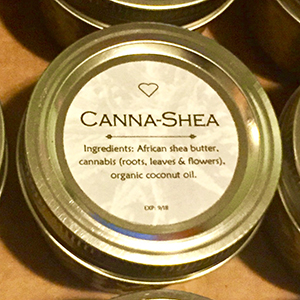
The following is an interview with industry experts. Growers Network does not endorse nor evaluate the claims of our interviewees, nor do they influence our editorial process. We thank our interviewees for their time and effort so we can continue our exclusive Growers Spotlight service.
To skip to any section within this article, click the links below:
Abbreviated Article
Editor’s Note: Growers Network appreciates its readers! If you are limited on time, we are now offering abbreviated versions of our articles. Click below to view.
5-Minute Snapshot
Making RSO and Canna Shea Butter
What was the inspiration for making cannabis extracts?
It wasn’t until someone very dear to me was diagnosed with cancer did I jump headfirst into researching the plant. I searched deeply into Rick Simpson’s work helping cancer patients. You can read his books, and became a fan of CureYourOwnCancer.org. At first, I looked everywhere to find the medicine we needed: pure, concentrated cannabis oil, otherwise known as Rick Simpson Oil (RSO). What I found from the few dispensaries that carried it was their potency was sometimes questionable, as were their methods for extraction. It was also unknown how the cannabis was grown and if the growers used pesticides. If your goal is to save a life, you’ll want the purest medicine possible, produced from the best part of the plant – the flowers.
How do you make your products?
We follow Rick Simpsons’ instructions for a pound of dried flowers to make oil:
- Chop the bud in a food processor.
- Submerse it in a gallon of pure ethanol and stir. This process is makes the oil a “full spectrum extract”, as we’re extracting everything from the flowers.
- Strain out the mash with a sieve, then do a second wash with another gallon of ethanol and repeat step 2.
- Filter what remains through coffee filters. This step removes the remaining plant materials and sediments.
- Discard any leftover plant material.
- Boil off the alcohol.
- Once the alcohol is boiled off, remove from heat and let sit on a warm surface until all residuals are gone.
- Then dispense however you need to.
To make the canna shea butter, we do the following:
- Cut up the plant parts, including leaves, stems, and roots.
- Place it into a large crockpot with several pounds of African shea butter and organic virgin coconut oil. Also add some dried flowers and concentrated oil.
- Set crockpot on low for 12 hours.
- Strain out plant material and filter through cloth.
- Pour it into tins/jars.
What parts of the plant do you use?
For our oil we only use mature, dried flowers that have been trimmed from all non-resinous leaves. For the canna shea butter, we use every part of the plant, including leaves, stems, roots, and any remaining small nugs. I’d particularly like to point out that we use cannabis roots. They’re actually the key ingredient that makes our topical so special! Cannabis roots have been used in traditional medicines to relieve pain, so we believe there’s adequate reason to use the roots.
What results have you seen from your products?
As we’ve researched and witnessed, full-spectrum cannabis medicines are anti-cancer, anti-tumor, anti-bacterial, anti-inflammatory, antispasmodic, and pain relieving! If you could only have one herb in your apothecary, cannabis is your kit and kaboodle!
Charitable Donation of Cannabis
What kind of legal hoops are there involved in charitable giving of cannabis products?
Depending on where you live in the US, there are differing laws on how much you can legally give to someone. For example in California, you’re allowed to gift someone up to 5 grams of cannabis concentrates/extracts, or up to 1 oz of dried flowers, per day. If you wanted to do this on a bigger, non-profit organization scale, there’d be plenty more challenges and obstacles to do it the right way, especially as regulations increase.
How has charitable donation of cannabis products worked for you?
Thus far, we’ve given away all of the cannabis oil we’ve made to people in need. The bulk has gone to cancer patients. We also make sure to direct them to any resources or information they need to create their own oil at home.
Do you have any testimonials you’d be willing to share?
We’ve heard reports from cancer patients whom we’ve donated oil to that their cancer cell counts have significantly dropped, tumor sizes have shrunk, appetites have increased, and overall feelings of wellness have improved. For non-cancer patients, it has helped provide relief to chronic pain sufferers, helped reduce the pain and cramping of women during menstruation, and worked as a good sleep-aid for some who experience insomnia. The topical Canna-Shea has worked wonders for a number of people with skin conditions, including psoriasis, eczema, rashes, scarring, and relieved pain from arthritis. Within days or weeks, people are seeing their bodies heal.
If you like the abbreviated article, let us know in the survey at the bottom of the article! We’re always interested in hearing your feedback. If you want to read more, you can read the full article below.
Making RSO and Canna Shea Butter

How did you get started making these extracts?
How do you make your oil?
- We start by lightly chopping the bud in a food processor.
- We then submerse the bud in a gallon of pure alcohol (ethyl or isopropyl) and stir it with a block of wood for no more than 5 minutes. The oily resins in the flowers get stripped by the solvent quickly, but if we let it sit in the alcohol too long then too much chlorophyll will leach, which could diminish the potency in the end. Since alcohol is a polarized solvent and will extract both water and oil soluble compounds. This process is what makes the oil a “full spectrum extract”, as we’re extracting everything from the flowers, not just isolating one cannabinoid like THC or CBD.
- We then strain out the flower and alcohol mash with a sieve, then do a second wash with another gallon of alcohol and repeat the mashing and straining.
- We then filter the dark, green alcohol that remains through coffee filters placed in funnels. This filtering stage is a very slow process, but the more funnels/filters we have set up the faster it goes. This step is important, as it will remove the remaining plant materials and sediments so that the end product is a pure oil and not a sludge.
- All of the chopped flowers, now stripped by the alcohol, are then discarded as there’s nothing of medical value left inside them. But it makes for great bonfire kindling (just be safe)!
- Once all the plant materials and sediment are filtered out, the pure, green alcohol is then boiled off outdoors in an open rice cooker.
- Once close to the end of boiling off, a very small amount of water (roughly a bottlecap’s-worth) is added to the batch, which will boil off after the alcohol does.
- Once all we smell is steam coming out of the rice cooker instead of alcohol vapors, we remove it from heat and pour the oil, which appears like used motor oil, black with a golden tinge, into a steel cup atop a coffee pot warmer for several hours until all residual solvent is evaporated.
- You can tell when it’s done when there is no more activity or bubbles showing on the surface. Then it’s sucked up into oral syringes and dispersed to whomever needs it most.
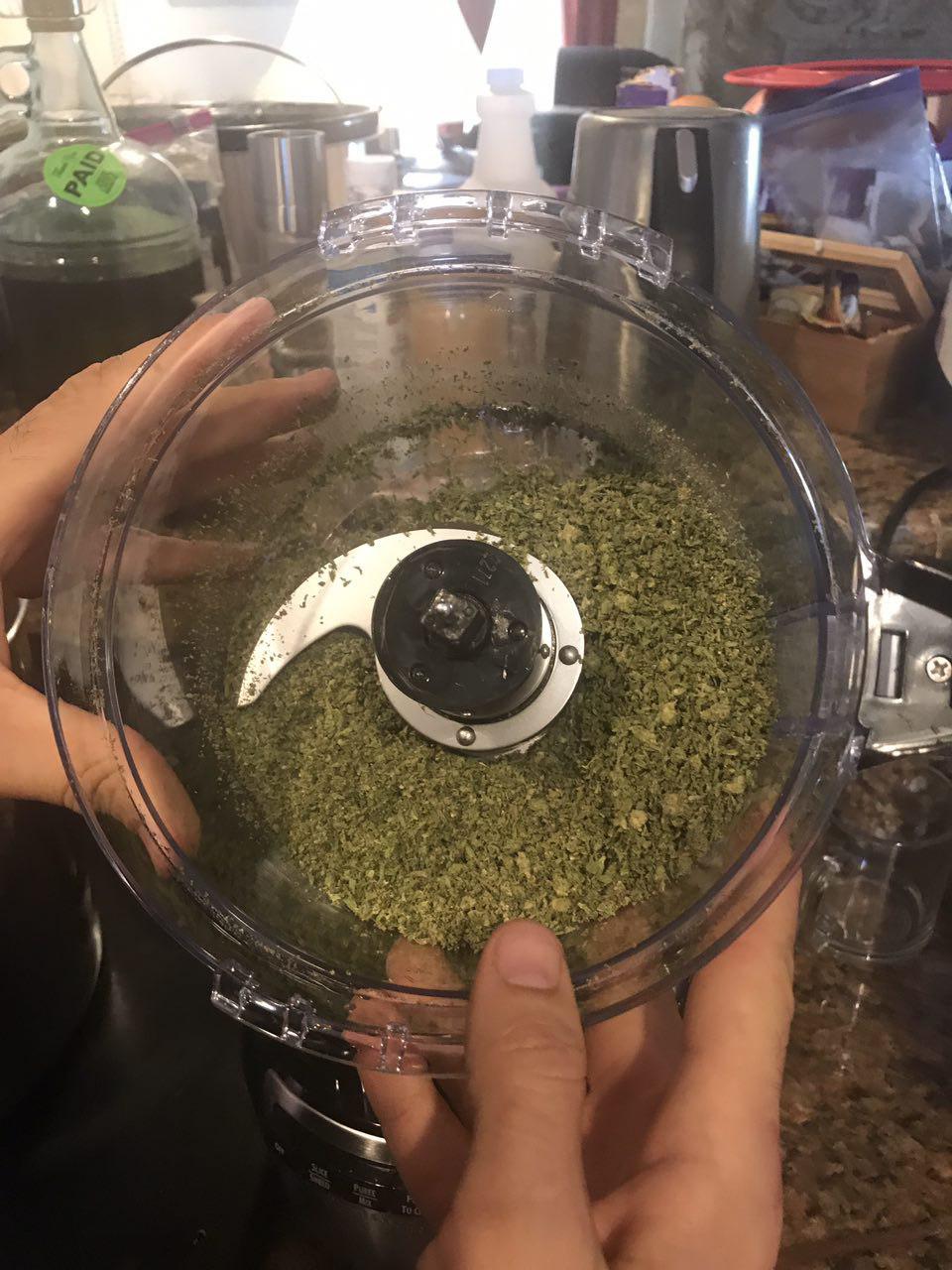
Blending
|
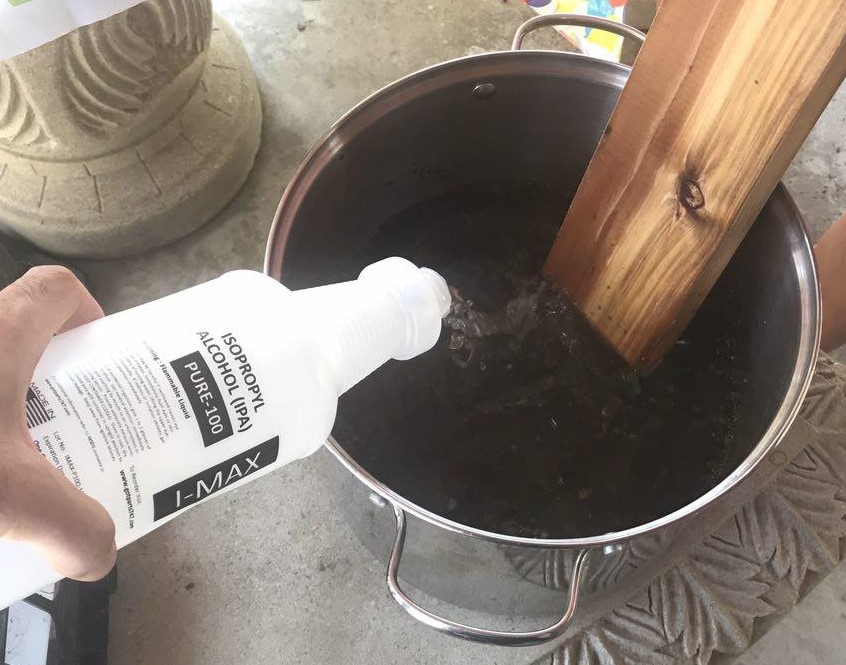
Mixing with Alcohol
|
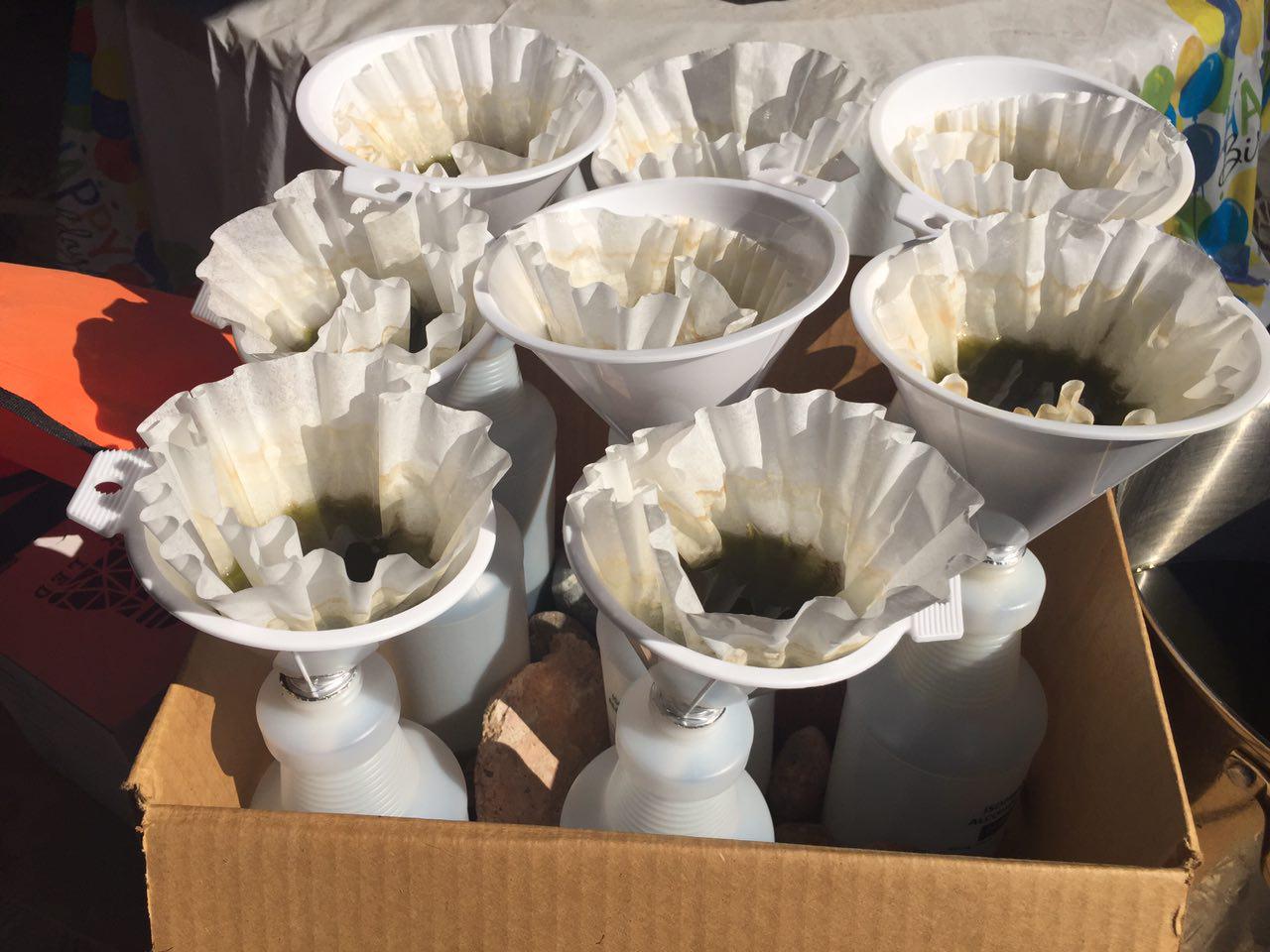
Straining
|
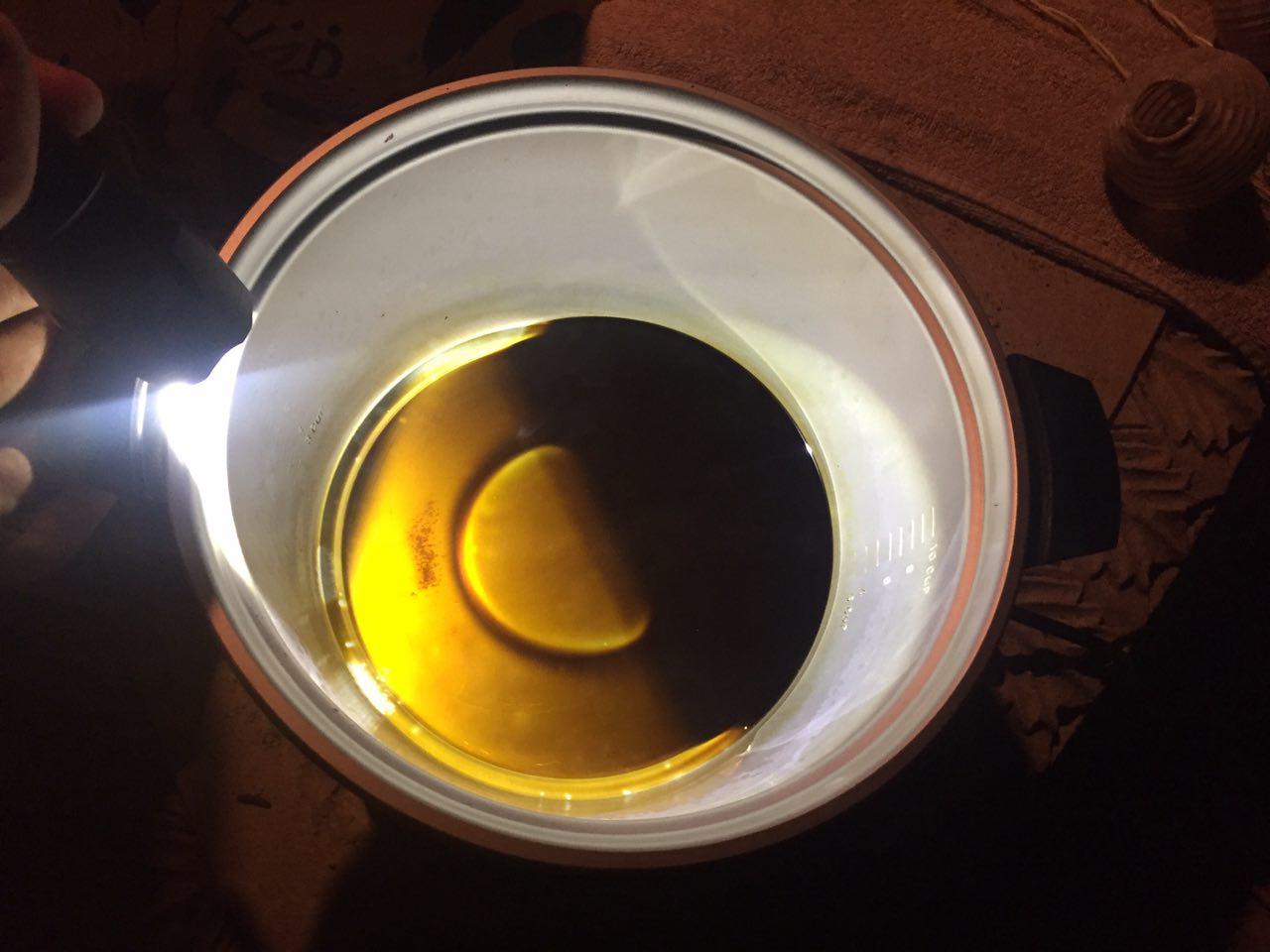
Finished Oil
|
What parts of the plant do you use?
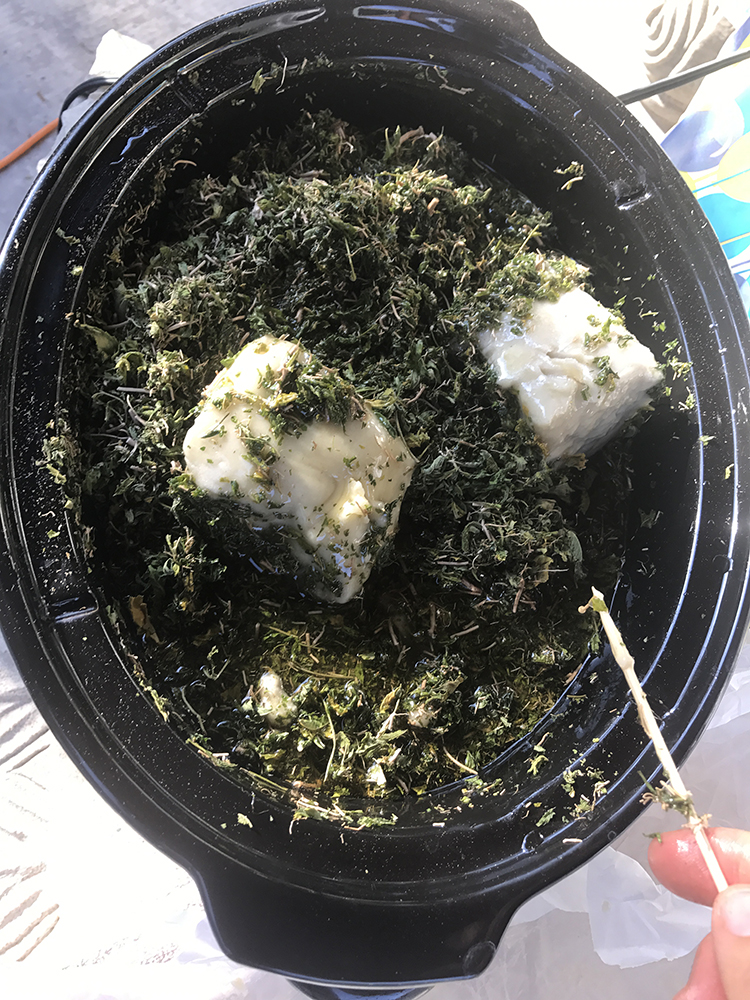
I’d particularly like to point out that we use cannabis roots in our topical. Everybody throws the roots away thinking that they’re useless, but we think they’re actually the key ingredient that makes our topical so special! Apparently cannabis roots were used by the ancient Romans to relieve sciatica pain, as well as in traditional Chinese medicine. The Chinese also used used cannabis root tea to heal upset stomachs. So we believe there’s adequate reason to use the roots.
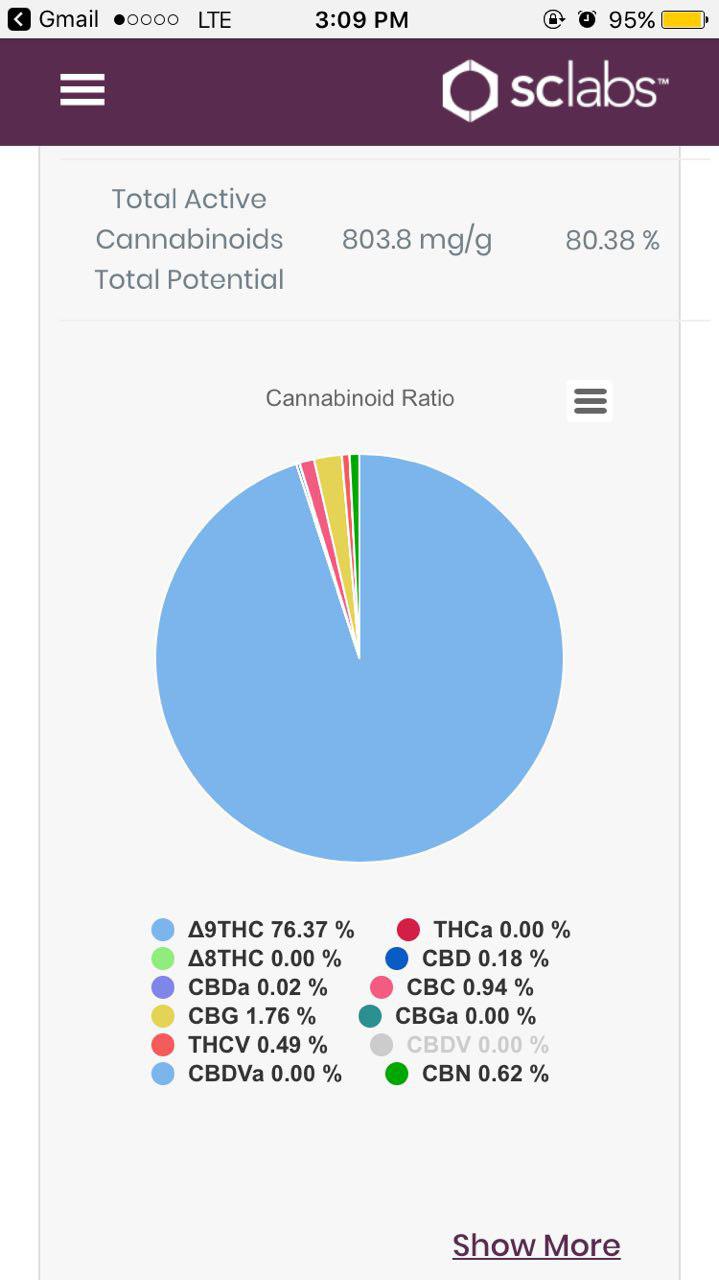
What kind of cannabinoid (THC, CBD, etc.) and terpene content appears in the products?
What results have you seen from your products?
Charitable Donation of Cannabis

What kind of legal hoops are there involved in charitable giving of cannabis products?
How has charitable donation of cannabis products worked for you?
Do you have any testimonials you’d be willing to share?
Philosophy of Giving
Why would you risk a loved one’s life doing anything else? A significant volume of research needs to be conducted so that patients and families aren’t experimenting on their loved ones.— Harry
What was the inspiration for making cannabis extracts?
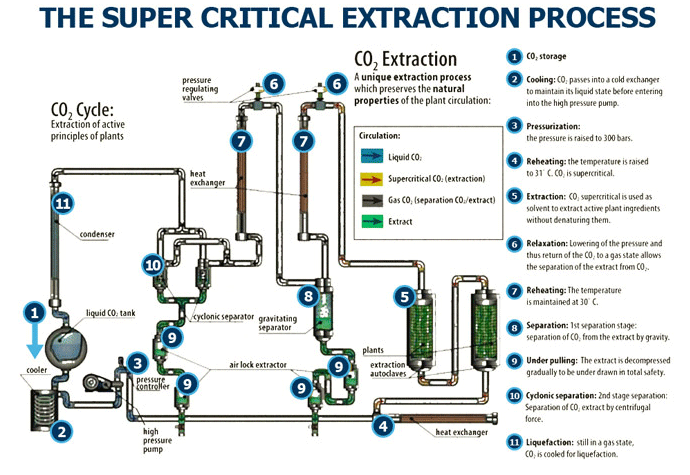 In case you want to get fancy equipment, this is what CO2 extraction looks like.
It was also unknown how the cannabis was grown and if the growers used pesticides. If your goal is to save a life, you’ll want the purest medicine possible, produced from the best part of the plant – the flowers. Personally, we would like to see more academic research done on the effectiveness of different extractions out there. If your loved one needs help now, you’re likely not going to experiment with different ways of making oil, but rather stick with the tried-and-true Rick Simpson method which has been working thus far. Why would you risk a loved one’s life trying anything else, even with all the market hype saying this product is better, or that extraction is superior, etc.? A significant volume of laboratory experimentation on the efficacy of various extraction methods needs to be conducted before we can say for sure what the results are of different oils in the fight against cancer, so that patients and families aren’t experimenting on their loved ones with un-tested oil-production methods sold in dispensaries.
What’s your stance on current laws and policies regarding cannabis?
How would you like to see the law change?
Complete decriminalization, obviously. It’s just a plant, and one of the most powerful, medicinal herbs God put on this planet for our use! Who are we to say someone can’t use medicine to heal themselves, especially a plant native to just about every continent on the planet. No one has ever died from consuming cannabis, and there are no harmful side effects of cannabis, save for people who get way too high and do something foolish or become nauseous. If the state would like to restrict the sale of any cannabis or cannabis products that have THC to minors under 18, I suppose that’s alright since THC is a psychoactive. But under adult supervision for medical purposes, there shouldn’t be an restrictions for minor’s use, with or without THC.
What do you believe is the next step in your charity/work?
What contact information would you be willing to provide in case others would like to reach out to you?
 Do you want to receive the next Grower’s Spotlight as soon as it’s available? Sign up below!
Want to get in touch with Harry and Bunny? Because they wish to remain anonymous, you can reach out to us at Growers Network and we will contact them for you.

