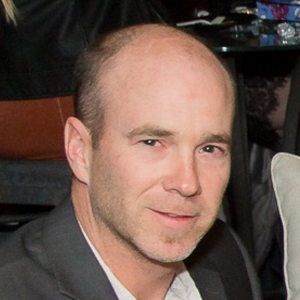
 Anthony Mollins
The following is an interview with industry experts. Growers Network does not endorse nor evaluate the claims of our interviewees, nor do they influence our editorial process. We thank our interviewees for their time and effort so we can continue our exclusive Growers Spotlight service.
To skip to any section within this article, click the links below:
Abbreviated Article
Editor’s Note: Growers Network appreciates its readers! If you are limited on time, we are now offering abbreviated versions of our articles. Click below to view.
5-Minute Snapshot
Sustainability with GroGeo LLC
Growing Style
Subterranean greenhouse? Explain for me!
The facility itself is built into the ground, and if there wasn’t a roof on it, you’d fall into a 12-foot hole.The walls and floor are concrete with a glass roof, which pitches towards the south. Being mostly underground helps to maintain a consistent temperature in the grow space. The idea itself comes from permaculture. There’s a structure called a “Walipini” that is essentially a subterranean greenhouse. We had some issues with airflow at first, so we started working on version two, which is what we’re currently growing in.
Tell me about the plants
We run a perpetual harvest system, and we harvest about 250 plants a week. In total, we have around 50 different strains. We hand water our plants with teas that we brew on-site. We even grow the plants that we use in the teas. We’re growing aloe, focaccia, comfrey, marigolds, and any other plants we can get our hands on.
What media and equipment are you using?
We currently grow in organic soil and use biodegradable plugs for our clones. The plugs eventually go into the compost pile. Because we’re in a subterranean greenhouse, we do need to use supplemental lighting and light deprivation depending on the time of year.
What automation and environmental controls are you using?
Most of our environmental controls are automatic or always-on. Our facility is designed with geothermal ventilation such that fans are constantly drawing air through the ground, which stays at a consistent temperature of about 60 degrees Fahrenheit. In addition to the geothermal fans, we have a bunch of fans that circulate air throughout the facility.
What pest issues have you had?
Back when Colorado was beginning its program, we accidentally bought some plants from some pretty horrible growers. The plants were covered in root aphids. We battled the root aphids for over a year, and eventually we decided the only way to get rid of the root aphids was to flush them out. We shut the whole greenhouse down, and it got up to 160 Fahrenheit for seven days, cooking the root aphids. We didn’t have that problem any more after that. Nowadays, we mostly just face your standard fare of pests. If we run into issues, we quarantine the plant, and then use biopesticides such as predatory insects and teas to resolve the problem.
Sustainability
How does water management work for you?
The plants use up approximately 90-95% of the water we give them. Our “secret” is that we keep the environment nice and humid, so that the plants don’t need that much water in the first place. Right now, we’re in the process of tweaking our VPD with the goal of higher humidity and higher temperature. Our goal for our VPD is 90 degrees and 70% RH with supplemental CO2.
How do you utilize CO2 more efficiently?
Our facility was designed so that the CO2 has nowhere to go. The whole facility is solid concrete, and you have to take the stairs down or an elevator to reach the base level of the facility. The CO2 is kept at around 800-1200 ppm, so we’re well within safety standards for humans.
What does the electric bill look like?
When we built the facility, we considered setting up renewable forms of electricity generation. Our grow happens to be in a very windy area, which would be perfect for windmills. However, the cost would have ended up being a bit too high for our needs. Currently, we only run on a 200 Amp breaker, and we could probably survive on a 40 Amp breaker in the summer. We’re getting charged about $2,200 a month in our electric bill for a 12,000 square foot grow. For reference, I rented my house in Tahoe to some growers, and they have a much higher electric bill for a smaller grow.
What was the cost of building a subterranean greenhouse?
It was actually very competitive pricing; it was almost comparable to building a commercial greenhouse. In my experience, Nexus greenhouses cost around $100 per square foot. Our subterranean greenhouse actually turned out to be around $80 per square foot. For us, digging a big hole and pouring concrete into it was cheaper than building an above-ground structure.
If somebody wants to grow sustainably like you, where should they go for more information?
I highly recommend any grower who is interested in our practices start reading up about permaculture. Permaculture is the core growing philosophy guiding our sustainable growing practices.
If you like the abbreviated article, let us know in the survey at the bottom of the article! We’re always interested in hearing your feedback. If you want to read more, you can read the full article below.
Growing Style

Give me the pitch for GroGeo. What’s it about?
You built a subterranean greenhouse? Explain it to me!
 The GroGeo underground growing facility.
The idea itself comes from permaculture. There’s a structure called a “Walipini” that is essentially a subterranean greenhouse. The goal of permaculture is to maintain a symbiotic relationship with nature, reduce waste, and use everything. We created our initial test grow, version one, based on the walipini. We’ve had some issues with airflow, so we’ve started working on version two, which is what we’re going to grow in. Our current grow measures 12,000 square feet.
Tell me about your plants.
What media and equipment are you using?
What automation and environmental controls are you using?
 Editor’s Note: Want to find out what the ground temperature is like near you? Check out this handy-dandy tool by Syngenta.
During the summer, the geothermal fans keep the facility cool. In the winter, our light deprivation systems help keep heat stored inside the facility while it’s dark outside. Most of our systems rely on simple timers, although we are investigating other controllers.
What pest issues have you had?
Sustainability

How does water management work for you?
 Most of the water in an ecosystem is evaporated or transpired.
Our “secret” is that we keep the environment nice and humid, so that the plants don’t need that much water in the first place. The dewpoint for our grow is 66 degrees. Right now, we’re in the process of tweaking our VPD with the goal of higher humidity and higher temperature. In the past, I wouldn’t have predicted it, but our three-feet-tall plants are growing buds that are almost as big as my head. Our goal for our VPD is 90 degrees and 70% RH with supplemental CO2. Editor’s Note: Want to find out your grow’s dewpoint? Check out this nifty dewpoint calculator from the Image Permanence Institute.
How do you utilize CO2 more efficiently?
What does the electric bill look like?
What was the cost of building a subterranean greenhouse?
 Dig a hole, dig a hole.
The other thing I want to point out is that many greenhouses today are not designed for a cannabis grower. They are designed with a fruit and vegetable grower in mind. Fruit and vegetable growers don’t dump CO2 like we do. They don’t need light deprivation as much as we do. We designed our greenhouse explicitly for cannabis, and it really shows in the cannabis. I’ve had managers from well-renowned dispensaries go out of their way to get our cannabis. We’re located in Boone, Colorado, and dispensaries that could get cannabis from anywhere near Denver will reach out to us.
If somebody wants to grow sustainably like you, where should they go for more information?
About Anthony and GroGeo
Go green, baby.— Anthony Mollins
Tell me about your background.
How’d you get into cannabis?
 The grow.
I decided to move back to Colorado and started working on a sustainable greenhouse. I had an idea floating in my head about a subterranean greenhouse. I traveled around for several years, researching permaculture at different communes, and I realized that I was the only one thinking about a subterranean greenhouse for cannabis. I decided to build it because I wanted a sustainable practice.
What have been your biggest challenges with sustainability?
What have been your biggest successes with sustainability?
What advice would you give to a new grower?
Want to get in touch with GroGeo? You can reach them via the following methods:
- Website: http://grogeo.com/
- Phone: 719-330-2226
- Email: anthony@grogeo.com
- Instagram: https://www.instagram.com/grogeo/