
The following is an interview with industry experts. Growers Network does not endorse nor evaluate the claims of our interviewees, nor do they influence our editorial process. We thank our interviewees for their time and effort so we can continue our exclusive Growers Spotlight service.
To skip to any section within this article, click the links below:
Abbreviated Article
Editor’s Note: Growers Network appreciates its readers! If you are limited on time, we are now offering abbreviated versions of our articles. Click below to view.
5-Minute Snapshot
Tell Us About Your Grow Operation
What’s the facility like?
We’re growing in an indoor, two-story facility that measures a total of 35,000 square feet. Around half of the facility is dedicated to flowering. The rest of the facility is split between our other important functions. The facility was retrofitted not too long ago, and we’re already excited to see what’s coming out of it.
What kind of equipment are you using?
For lighting, we’re using Nanolux DE MH fixtures in veg and Gavita DE HPS fixtures for flowering. We use a Netafim fertigation system to maintain our nutrients and irrigation. We also use rolling top benches in the growing rooms to conserve on space. Our cooling system was designed by Data Aire, a company which specializes in serving the computing industry. It has all sorts of automation tools built into it that can maintain specific temperatures, humidities, and even CO2 levels. It can run 24/7 and has proven to be a massive boon to the grow.
What strains are you growing and how did you select them?
We started out with 45 strains spread out in four different rooms in our first cycle. Our goal was to get down to a total of 20-24 strains that performed and sold really well. On our first cycle, we had a few strains that performed phenomenally, and a few that didn’t do too well. Naturally, we’ve eliminated the poor performers, and our next round will see reduced numbers of strains.
What kind of automation are you using?
The Data Aire system almost entirely automates our climate control. Our irrigation systems and reverse osmosis systems are automated by the Netafim system, and the lighting, ventilation, and fans are controlled by a Wadsworth controller.
What nutrients and media are you using?
We grow in a coco coir and perlite mix. We’re using General Hydroponics nutrients, but we’re also in the process of testing fertilizer products by Plant Prods. We’re also experimenting with rockwool, but we aren’t quite ready to implement it on the full scale, because with rockwool, you’re really living on the razor’s edge.
What’s your pest management protocol?
As a species, cannabis has a variety of particular pests that follow it. One of those pests is powdery mildew. Powdery mildew pathogenesis is generally a symptom of poor environmental control. This is where our processed cooling HVAC system really comes in handy. For spider mites and other common insects pests such as thrips or aphids, our first go-tos are biological controls. Lady beetles, minute pirate bugs, and a proprietary “blend” of different predatory mites help keep our main insect pests under control.
What procedures do your employees follow to keep the grow pest free?
The people who work in the grow itself must go through a foot bath and change into a set of work clothes before they can enter the grow proper. We have showers and locker rooms available for these employees. Our facility is also laid out in such a way that our growers enter the part of the grow that we want the cleanest at the beginning of the day, and gradually work their way towards the parts of the grow that don’t need to be as clean. Our propagation and cloning rooms naturally are their first stop in the day, as those rooms need to be kept meticulously clean to make sure that we don’t lose our genetics. In the event that we suspect an infestation in a particular room, we quarantine that room, and anybody that enters that room must put on a Tyvek suit when they enter the room, and take it off when they leave.
What’s your post-harvest process?
We place the stems and buds in a commercial dryer for about a week. Once the cannabis has had time to dry, we put it through a bucking machine to destem it. After the flower has been separated from the stems, we take it over to the trimming space where it is hand-trimmed.
How do you feel about pesticides?
For cannabis specifically, pesticides must be used very sparingly. Cannabis is a product that’s meant to be smoked when it’s consumed, similar to tobacco. The chemical process of smoking cannabis can produce particularly nasty chemicals if there are pesticides in the flower, which is the last thing we want our consumers inhaling. We only use products approved by the CDFA. In large part, the list is restricted to compounds that are derived from natural sources (such as soaps and oils) or things that have been historically understood to be safe for general use, such as sulfur powder. As such, we must take proactive steps to prevent infections and infestations in the first place. We regularly scout our facility for potential problems, use beneficials to target pests, and should we find the need to use something in a spray bottle, we will use materials that are on the list of approved products.
If you like the abbreviated article, let us know in the survey at the bottom of the article! We’re always interested in hearing your feedback. If you want to read more, you can read the full article below.
Tell Us About Your Grow Operation

What’s the facility like?
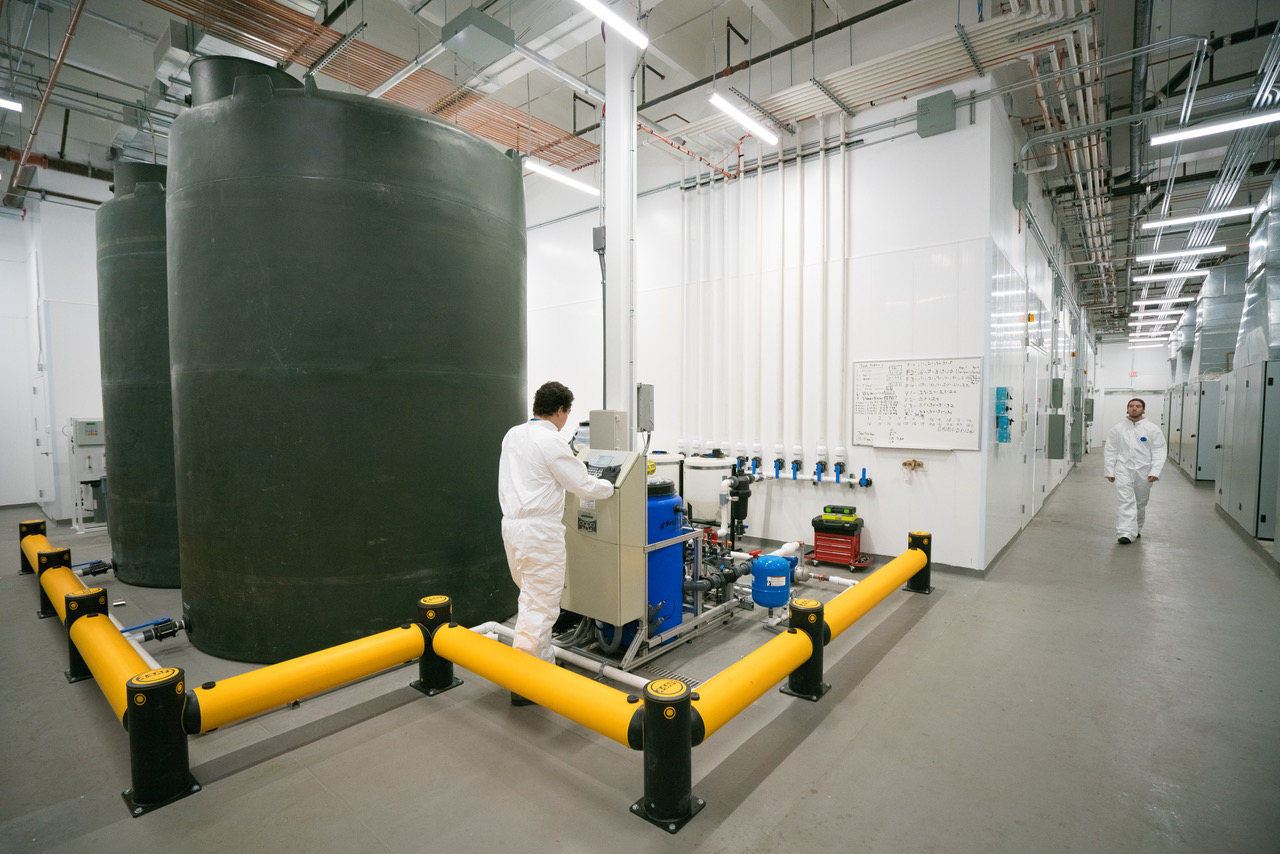
The facility was retrofitted not too long ago, and has only been in operation for around six months. But we’re already excited to see what’s coming out of it. The building that we retrofitted was about 25 years old, and the only pieces of the original building that remain after the retrofit, besides the structure itself, are some stairs and an elevator.
What kind of equipment are you using?
How did you decide to use that particular combination of lighting?
Michael: To be perfectly honest, it’s the industry standard, and our growers are comfortable with it. We didn’t have enough experience growing with LED lighting when we were first retrofitting our facility, so we designed the facility in accord with what we were experienced with. That said, we’re working with LEDs in our research room right now, and we’re hoping to implement them in future spaces that we’re designing.
What strains are you growing and how did you select them?
What kind of automation are you using?
What nutrients and media are you using?
What’s your pest management protocol?
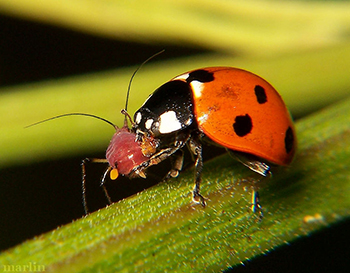 Lady Beetle eating an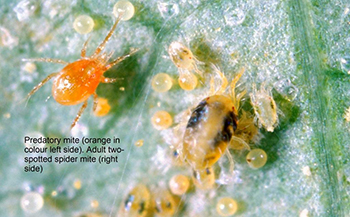
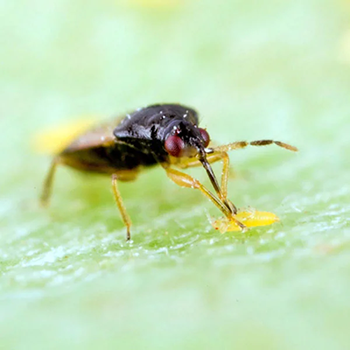 Minute Pirate Bug
 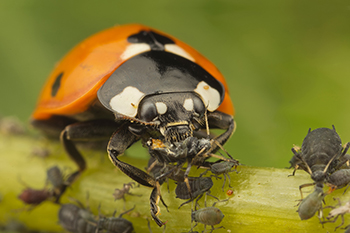 Lady Beetle shoveling more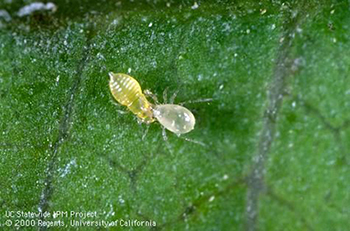
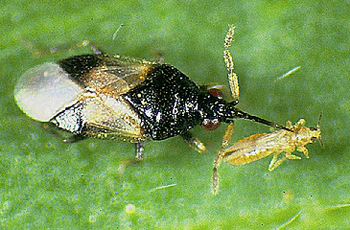 Minute Pirate Bug eating another insect (Top-Down View).
What procedures do your employees follow to keep the grow pest free?
 You too could be the proud owner of a Tyvek suit from the ’90s.
For our other employees who aren’t working directly with the living plants, they only need to put on a lab coat to keep any outside contaminants from getting on the products they’re working with. And, at the end of the day, even with all these protections, we still get diseases and infestations. We scout our rooms regularly, and use our beneficials and sprays as needed.
What’s your post-harvest process?
The Philosophy Behind the Grow

How do you feel about pesticides?
What have been your biggest challenges?
What have been your biggest successes?
Michael: Something I really want to mention is that I’m really impressed by our staff of growers. We have a staff of about 10 people all coming from different backgrounds. I have nearly 30 years of experience working in controlled agriculture and some of the other growers who are classically trained like me, but we also have individuals who are fresh out of college and even some who learned on the job. I’m proud of the quality work that they do.
What is MMAC looking forward to in the future?
What advice would you give to someone who wants to get into industry?
Michael: I also want to second Jonathan’s point on this. I originally didn’t understand the cannabis industry prior to joining it. I went to a conference about two years ago where I met people in the cannabis industry who were just as professional as the people I worked with at DuPont. It really changed my mind about the industry. If you find yourself hesitating to get involved, talk to different people in the industry and really learn what is happening. It’s probably different than what you might imagine. This industry needs talent across the board, regardless of gender or ethnicity. We’re going to need people with Ph.D’s and people with high school diplomas or GEDs. There’s a lot of potential to grow, and don’t limit yourself with narrow thinking.
About Jonathan, Michael, and MMAC

What is Triple 7?
Tell me about your backgrounds.
Michael: I first started growing tomatoes when I was five or six years old with my grandmother. That’s how it all got started. Thanks Grandma! Joking aside, I was a very diligent farmer when I was young. I would grow gardens in the summer out east, and would take really diligent notes. I’d track the quality of the harvest, the volume of the harvest, the quality of the harvest, the seasons and weather. I ended up applying to a bunch of schools and studied Plant science and breeding at Rutgers. I worked with several small biotech companies for a few years, and then started working with the DuPont Pioneers program, managing controlled environments on both the east and west coast. A few years ago, I got a call about MMAC, and at first was skeptical, but when I got to see it in action, my thinking really changed.
What was your CEO’s background prior to Triple 7/MMAC?
 Do you want to receive the next Grower’s Spotlight as soon as it’s available? Sign up below!
Want to get in touch with MMAC? You can reach them via the following methods:
- Website: https://triplesevenla.com/
- Phone: 928.392.1932
- Email: info@triplesevenla.com

