
The following is an interview with industry experts. Growers Network does not endorse nor evaluate the claims of our interviewees, nor do they influence our editorial process. We thank our interviewees for their time and effort so we can continue our exclusive Growers Spotlight service.
To skip to any section within this article, click the links below:
Abbreviated Article
Editor’s Note: Growers Network appreciates its readers! If you are limited on time, we are now offering abbreviated versions of our articles. Click below to view.
5-Minute Snapshot
Drying and Curing
What differentiates SDI’s drying technology from any other controller that manages humidity or VPD?
David (Engineer): VPD and Relative Humidity (RH) are relative values. While they may be useful for determining plant stress or risk of mold in a growing setting, they’re not that useful when it comes to drying and curing because of their relative nature. For example, let’s say you have 40% RH in your drying room. Is it 40 degrees inside the room, or 90 degrees? The RH value only tells you how much water is in the air compared to the saturation point, which can change depending on the temperature. It doesn’t tell you the absolute amount of water in the air, only a percentage. Instead, we focus on Vapor Pressure, which is an absolute measurement of the amount of water in the air. If you want your flowers to be dried just right, you need to have an exact amount of water in them, not a relative amount. Our system maintains a constant vapor pressure in the drying enclosure at all times, so that your flowers gradually equalize their moisture content with the enclosure. This results in a very controlled rate of moisture loss. This controlled water loss is gentle on the flowers, resulting in better preservation of terpenes and other key volatiles.
How do you regulate vapor pressure?
David (Engineer): Our system doesn’t use dehumidifiers or humidifiers. Instead, by using sensors, the system it regularly measures vapor pressure and responds to environmental changes. If somebody opens the door to the room, the room, of course, will rapidly equalize with the outside environment, the system will then gently bring it back under control. You always want a gradual ramping down, because quick drying is not ideal for cannabis – which can cause a hay smell.
Traditionally, herbal apothecary-style curing is done with glass jars and “burping.” How do you solve that?
David (Engineer): The reason that traditional curing is done with glass jars is that once you’re done drying your product, you don’t want to lose (or gain) any more water. In order to stop water loss, you generally want a sealed environment held at a constant vapor pressure. What’s the best low-tech way to do that? Glass jars. But then you run into the issue of mold, and that’s where “burping” glass jars comes into play. Hopefully, by opening the jar, some of the excess moisture in the jar itself can be removed and mold won’t form. But if you open the jar in a humid location, this isn’t always the case. Our solutions, however, actively maintain a specific vapor pressure. It’s a controlled environment, and it generally stays closed unless somebody is working inside of it. You won’t have to worry about mold forming because of the active vapor pressure control. We also use UV sterilization as part of the package.
Where do you think the cannabis industry is heading with regards to drying and curing?
David (Engineer): The industry is gradually warming up to the idea of better drying and curing controls. But it’s still a challenge, because some individuals insist on using the old ways. After all, an aging room is like a broken clock that is correct at least twice a year.
What are the biggest differences you’ve seen between meats and cheeses and cannabis?
Jane (Director of Marketing): People in the cannabis industry are really open to talking about new technology and new solutions. And because the industry is so new, we find that people are willing to listen. David (Engineer): At the end of the day, everybody sells their products by weight, regardless of industry. When you show somebody that they can keep an additional 2-3% of their weight and improve the quality of their product … their ears perk up. When you present a technology that can improve profits… meat, cheese and cannabis producers are all interested.
What are your thoughts on desiccant packs such as those by Boveda?
David (Engineer): The Boveda packs, or other desiccant packs, are passive products designed to reach an equilibrium. There’s actually a lot of use for packs such as these, particularly in transportation and storage. They’re not so great for drying and curing though, because of their passive nature. So there’s actually a great synergy between our products and theirs. I believe that our products are complementary. Ours will help you make the perfect finished product. Theirs will help you get the finished product to the store and keep it fresh for the customer.
If you like the abbreviated article, let us know in the survey at the bottom of the article! We’re always interested in hearing your feedback. If you want to read more, you can read the full article below.
Drying and Curing

What differentiates SDI’s drying technology from any other controller that manages humidity or VPD?
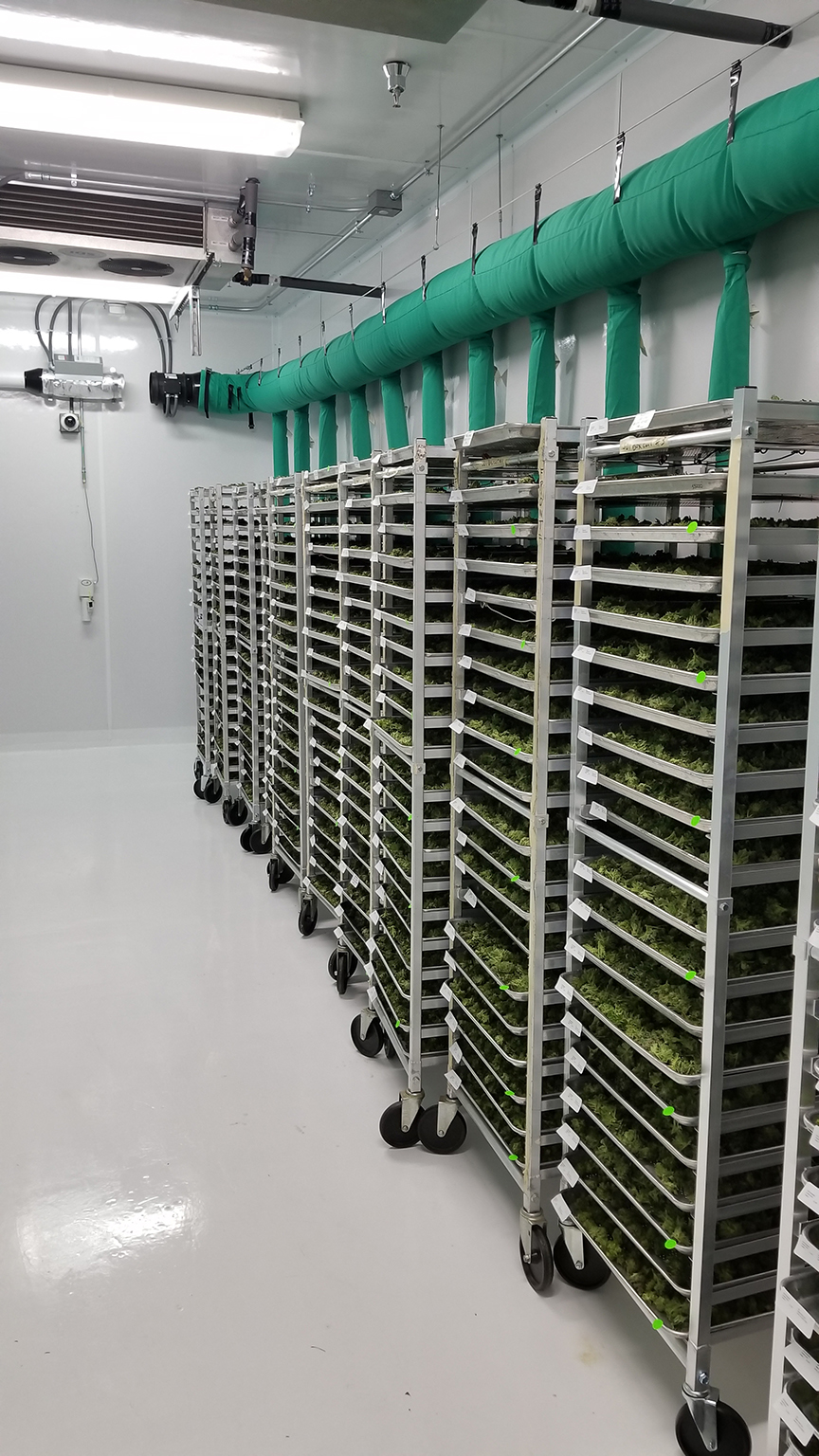 The Cannatrol system in action.
How do you regulate vapor pressure?
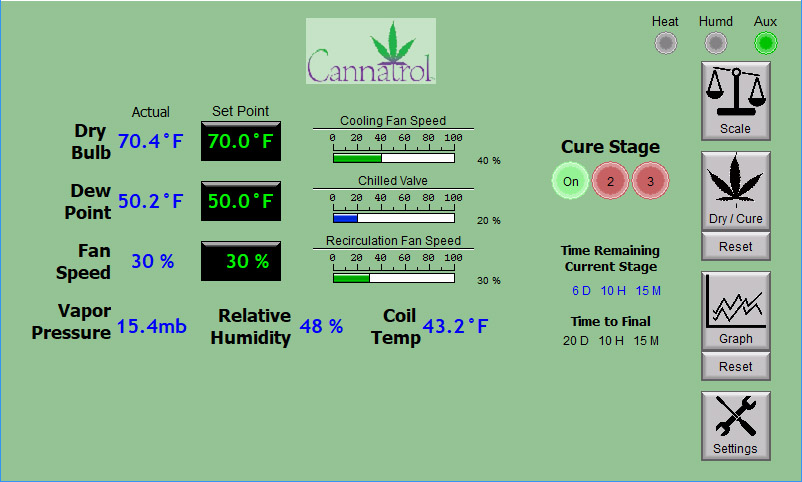 A screenshot of the Cannatrol system in action.
David (Engineer): Our system doesn’t use dehumidifiers or humidifiers. Instead, by using sensors, the system regularly measures vapor pressure and responds to environmental changes. If somebody opens the door to the room, the room, of course, will rapidly equalize with the outside environment, and the system will gently bring it back under control. You always want a gradual ramping down, because quick drying is not ideal for cannabis and can cause a “hay” smell. Also, our system also doesn’t use ductwork, which assures a sanitary environment. Our history is with food producers and our system is designed to prevent cross-contamination. Our system works so well and is so responsive that one of our clients actually started using it as a control room for flowering, because the control was ideal for data measurement and analysis. They could see almost exactly what their plants are doing, so they hijacked the enclosure for data analysis. I thought that was kind of interesting.
Traditionally, herbal apothecary-style curing is done with glass jars and “burping.” How do you solve that?
Where do you think the cannabis industry is heading with regards to drying and curing?
What are the biggest differences you’ve seen between meats and cheeses and cannabis?
What are your thoughts on desiccant packs such as those by Boveda?
About SDI

Tell me a little bit about yourselves. How did you get involved in curing and drying?
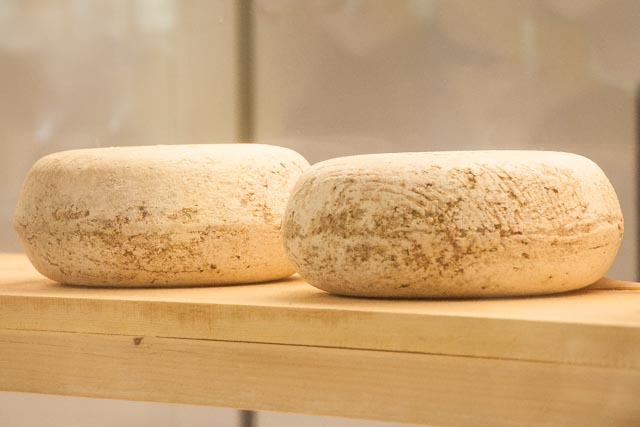 Call me Cheese. Dr. Cheese.
During the course of creating these systems, it also became apparent that the technology was applicable to the meat world, specifically dried and cured meats. They had similar problems to the cheese industry, where they couldn’t really control their moisture content and would end up with overdried or underdried material that could spoil. The problem in the meat industry is that air conditioners and cooling equipment would cycle on and off, and the periods where the cooling system was off, the coldest thing in the room was the meat… which the water would then condense to. Jane (Marketing Director): My tale is a little different from Neville and David. My background is in sales and marketing. David and I used to be innkeepers up in Vermont. We were corporate refugees from New York who bought a defunct inn, which we cranked up and ran for ten years. During that time, Dave and I wound up meeting a bunch of cheese industry people because of our farm to table restaurant at the inn, where we bought local cheeses. We eventually sold the inn when Dave started working with Neville, and Neville brought me on to help market with them. We’ve been working together for about 7 years now, and it’s really great to see how this product is applicable in so many industries, including cannabis.
How did the cannabis industry come to SDI’s attention?
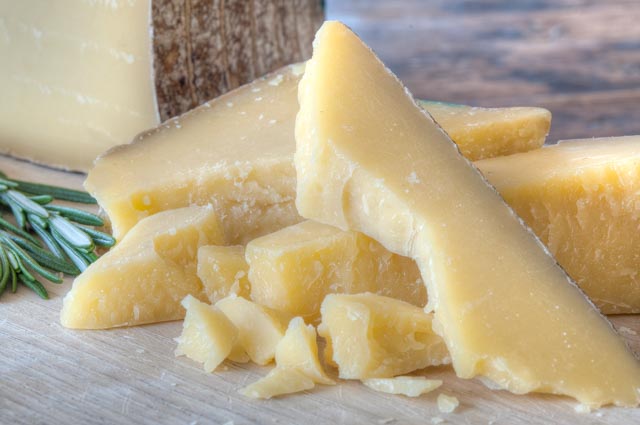
Last year, the American Cheese Society (ACS) was holding a conference in Denver, so we brought in the owner of a large retail operation to check out the technology. It quickly became apparent to him how useful this technology could be in the cannabis industry. Entering the cannabis industry as an equipment provider has been a longer process than we initially expected. Many growers just don’t know that there are better solutions than the traditional HVAC solutions that are being aggressively marketed by some of the big HVAC companies. These monster systems are being installed and they produce inferior results. Now we have solutions for growers of all sizes, from large commercial operations to small dispensaries. We even have a small unit for home growers. Jane (Director of Marketing): We are a really small company with great, innovative, patent pending technology, so we have to work extra hard to get the word out. We are asking growers to look at the drying and curing process in a whole new and different way. But once a grower or processor starts using the SDI Dry/Cure system, they quickly see the benefits in product quality and yields.
Do any of you use cannabis yourselves?
 Do you want to receive the next Grower’s Spotlight as soon as it’s available? Sign up below!
Want to get in touch with Sanitary Design Industries? You can reach them via the following methods:
- Website: http://www.sanitarydesigns.com/
- Phone: 314-647-5361
- Email: info@sanitarydesigns.com

